

Deck or Patio: Which Is Right for Your Yard?
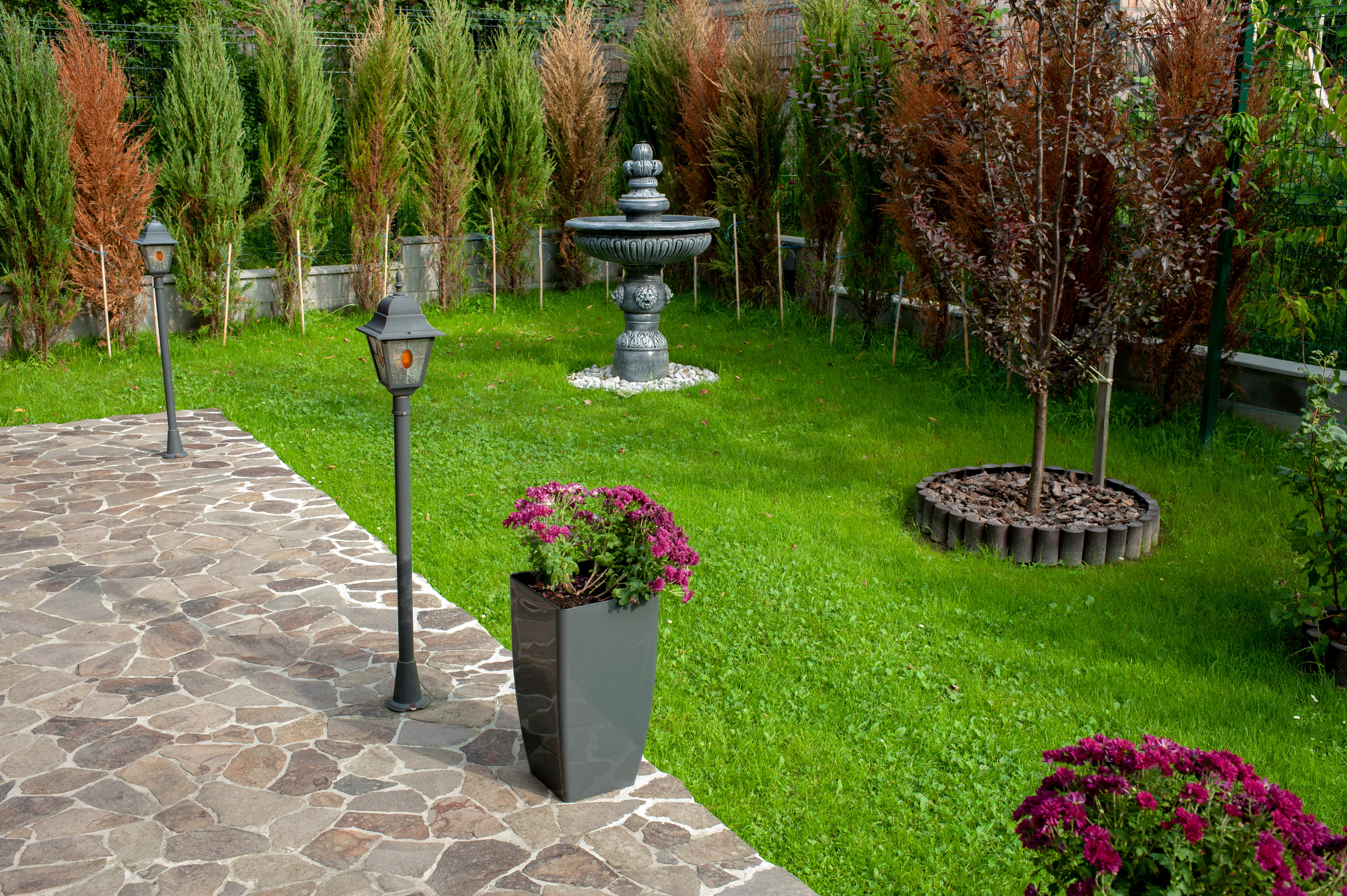
Few outdoor decisions spark as much debate as deck versus patio. Both create a place to eat, relax, and entertain, and both can look great, yet they behave very differently once built. The right choice depends on your yard's shape and slope, how the space connects to your home, your budget, and how much upkeep you're willing to take on. Walking through the real tradeoffs makes the decision much clearer than comparing photos alone.
Where a Deck Shines
A deck is the natural choice when your back door sits well above the ground, because it creates a level step out of the house without major grading. It also handles slopes, uneven terrain, and awkward lots far better than a patio can. Because a deck is elevated, it can offer a better view, keep you above damp or low-lying ground, and provide a warm, natural feel with built-in railings and seating.
Where a Patio Shines
A patio sits on the ground, which makes it ideal for flat yards and doors that open close to grade. Poured concrete, pavers, and natural stone are durable, handle heavy features like fire pits and outdoor kitchens easily, and don't need the structural framing a deck requires. For homeowners who want a solid, grounded surface that blends into the landscape, a patio is often the simpler answer.
Comparing Upfront Cost
Cost depends heavily on materials and size, so neither option is automatically cheaper. A basic pressure-treated deck can be economical, while composite decking with railings and stairs climbs quickly. A simple concrete patio can be affordable, while decorative pavers or natural stone cost more. The most useful comparison is between specific materials and specific designs, ideally from detailed quotes that spell out what's included rather than from general rules of thumb.
Comparing Installation and Timeline
Decks involve footings, framing, decking, railings, and often permits and inspections, so they usually take longer than a simple patio. Patios require excavation, a compacted base, and surface installation, and concrete needs time to cure. Both can be affected by weather. If you're hoping to use the space by a specific date, ask each builder for a realistic schedule that includes approvals and material lead times.
How Your Yard's Slope Decides the Question
Slope is often the deciding factor. On a significantly sloped lot, building a patio means major excavation, retaining walls, and drainage work, which can erase any cost advantage. A deck can span the grade with posts of varying height. On a flat lot with a door near ground level, the reverse is often true, and a patio becomes the more straightforward and economical path.
Maintenance Compared
Wood decks need periodic cleaning and staining or sealing, while composite decks need mostly washing. Patios made of concrete or pavers need occasional cleaning and sealing, and pavers may need joint sand refreshed or settled stones reset. No outdoor surface is truly maintenance-free, so consider how much routine upkeep you'll realistically do. Choosing a material that matches your habits prevents disappointment later.
Durability and Lifespan
A well-built patio on a properly prepared base can last for decades, though concrete can crack and pavers can shift if the base is poor. Decks depend on the quality of their framing, footings, and connections, and wood components can deteriorate when moisture and neglect combine. Quality of construction and preparation matters more than the category, so evaluating the builder's methods is as important as choosing the surface.
Comfort and Feel Underfoot
Wood and composite feel warmer and softer underfoot than stone or concrete, which can get uncomfortably hot in direct sun or cold in cooler weather. Some composites also heat up in strong sun, especially darker colors. Pavers and stone offer a more solid, grounded feel. If you'll be barefoot often, try standing on samples in your actual light before deciding.
Connection to the House
A deck is typically attached to the home, which makes it feel like an extension of your interior and allows seamless flow from a door. That attachment also requires careful flashing and fastening to keep water out of the wall. A patio is usually separate from the structure, giving more flexibility in where it sits and avoiding ledger concerns altogether.
Drainage and Moisture
Water management matters for both. A patio must slope slightly away from the house so water doesn't pool against the foundation. A deck lets water pass through the boards, but the ground beneath still needs to drain, and the structure needs airflow to dry out. Poor drainage shortens the life of either option, so it should be part of the plan from the beginning.
Permits and Local Rules
Requirements vary. Elevated or attached decks commonly require permits and inspections, while ground-level patios often face fewer requirements, though paved area limits or drainage rules can still apply. Homeowners associations may have their own guidelines. Checking local rules before choosing a design avoids delays and rework, and a builder familiar with your area can tell you what to expect.
Resale Considerations
Buyers generally respond well to usable outdoor space of either type, as long as it's well built and well maintained. A clean, solid patio or a sturdy, attractive deck suggests a home that's been cared for, while a cracked, sunken, or weathered surface can detract. Fit with the home and yard matters more than the category, so choose the option that makes sense for your property.
Combining a Deck and a Patio
You don't have to pick only one. Many homeowners use a deck off the back door for dining and a patio farther out for a fire pit or lounge area, linked by a path. This approach uses each surface where it performs best, adds visual variety, and can spread cost and construction over time as the budget allows.
Thinking Beyond the First Year
A surface you'll use for many years deserves a long-term view. Consider maintenance cost and effort over a decade, not just the installation price, and think about whether your needs might change, such as adding a spa or an outdoor kitchen later. The option that costs a little more now but fits your lifestyle often proves the better value.
Questions to Ask Before You Decide
How high is your door above the ground? How much does the yard slope? What do you want to place on the surface, such as a grill, hot tub, or fire pit? How much upkeep are you comfortable with? What does your budget look like over ten years rather than just this year? Honest answers usually point clearly toward one option.

Still torn between a deck and a patio? We'll look at your yard, your door height, and your goals, then give you an honest recommendation with clear pricing. Request your free outdoor living estimate and compare your options with real numbers.

Karter & Co


