

Deck Building Mistakes Homeowners Often Regret
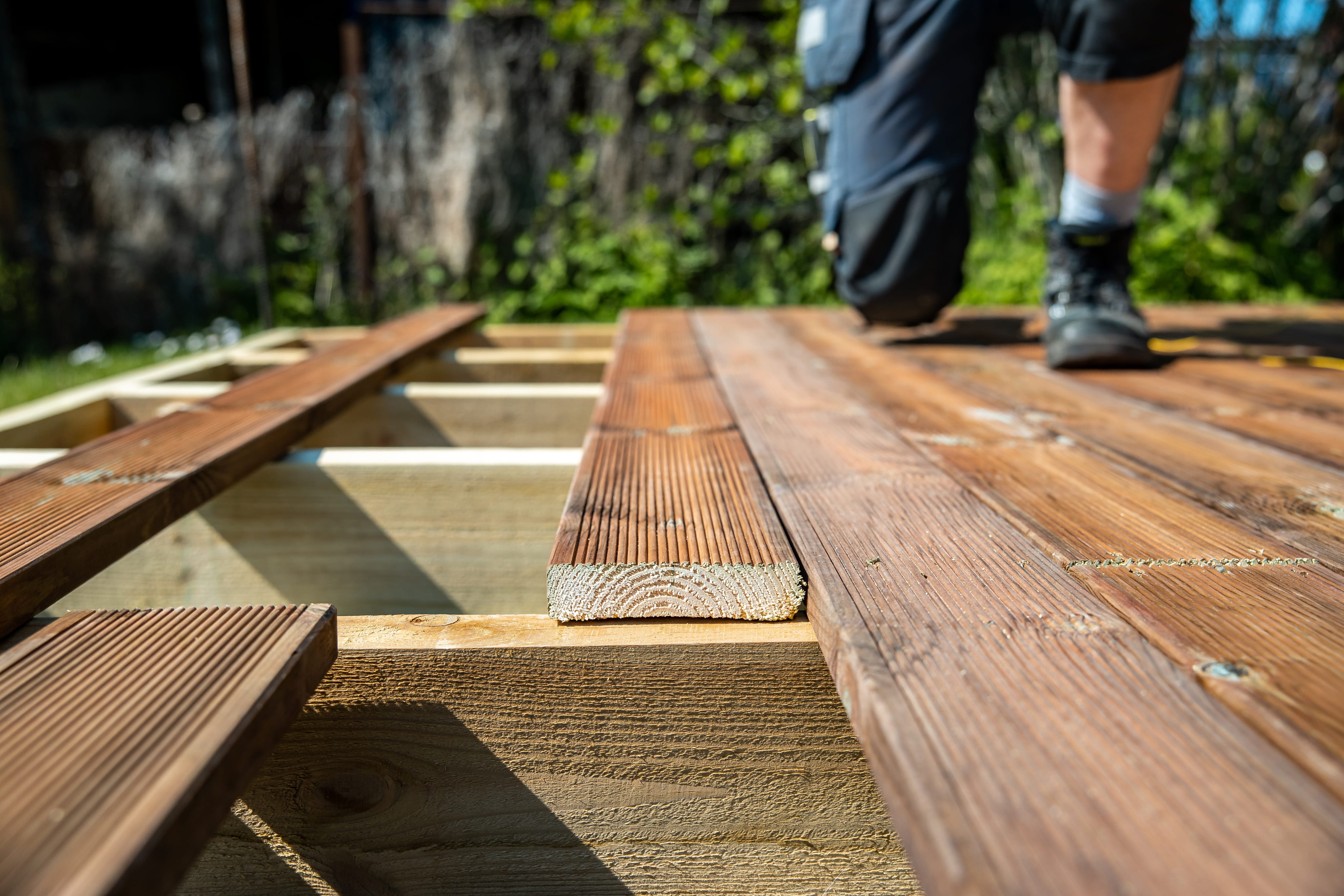
Most deck problems don't appear on day one. A new deck looks solid and attractive, and the shortcuts underneath stay hidden until years of weather, weight, and movement expose them. Knowing the most common mistakes helps you ask the right questions and avoid learning these lessons the hard way.
Mistake: Skipping Permits and Inspections
Permits can feel like paperwork, but inspections exist to catch structural problems while they're still easy to fix. Skipping them can lead to trouble at resale, insurance disputes after an incident, and orders to modify or remove the deck. A permit is cheap compared with those outcomes.
Mistake: A Weak or Improper Ledger Connection
The ledger board attaches the deck to the house, and a poor connection is among the most common causes of serious deck failures. Nails alone are not adequate; proper bolts or structural screws, correct flashing to keep water out of the wall, and attachment to solid framing are all essential. Water trapped behind a ledger can also rot the house framing.
Mistake: Undersized or Too Few Footings
Footings transfer the deck's load to the ground, and they must be sized for the load and set below the frost or stable soil depth appropriate for the area. Too few or too small footings lead to settling, sagging, and uneven surfaces over time.
Mistake: Ignoring Drainage and Airflow
Decks need to shed water and let air circulate underneath. Poor drainage around the footings, or enclosing the underside without ventilation, traps moisture and accelerates rot and mildew. Even good materials struggle in constantly damp conditions.
Mistake: Using the Wrong Fasteners and Hardware
Treated lumber contains chemicals that corrode standard fasteners. Using the wrong screws, nails, or connectors leads to rust, staining, and eventual failure of the connection. Corrosion-resistant hardware rated for the material is a must.
Mistake: Wide Joist Spacing to Save Money
Stretching joists farther apart uses less lumber but results in bouncy, flexible decking that wears faster and can feel unsafe. Spacing should match the decking material and the manufacturer's requirements, especially for composite boards.
Mistake: Building Too Small
Many homeowners regret not going larger once they see how much space furniture and traffic actually need. Testing the footprint with stakes and real furniture before building helps avoid this.
Mistake: Skimping on Railings and Stairs
Railings must meet height and spacing requirements, and stairs need consistent rise and run. These are safety elements, and wobbly or noncompliant railings are both a hazard and a code problem.
Mistake: Forgetting About Maintenance
Choosing wood without planning to clean and seal it, or choosing composite assuming it needs nothing at all, leads to disappointment. Every material needs some care, and matching the material to your willingness to maintain it matters.
Mistake: Not Planning for Future Features
Adding a pergola, lighting, or outlets later is far harder if the original design didn't anticipate them. Running conduit and adding blocking during construction is simple and inexpensive compared with retrofitting.
Mistake: Choosing Solely on Price
The lowest bid often reflects lighter structure or lower-grade materials. A deck is expected to last many years, so evaluating quality and detail alongside cost leads to better long-term value.
How to Avoid These Mistakes
Hire an experienced builder, insist on permits, ask about structure and hardware, and get detailed written quotes. A builder who welcomes these questions is typically one who's confident in the work.

Avoid the mistakes that cost homeowners money and peace of mind. Our team builds with proper permits, structure, and hardware as standard. Get your free deck building estimate today.

Karter & Co


