

Crown Molding 101: Styles, Sizes, and What to Expect
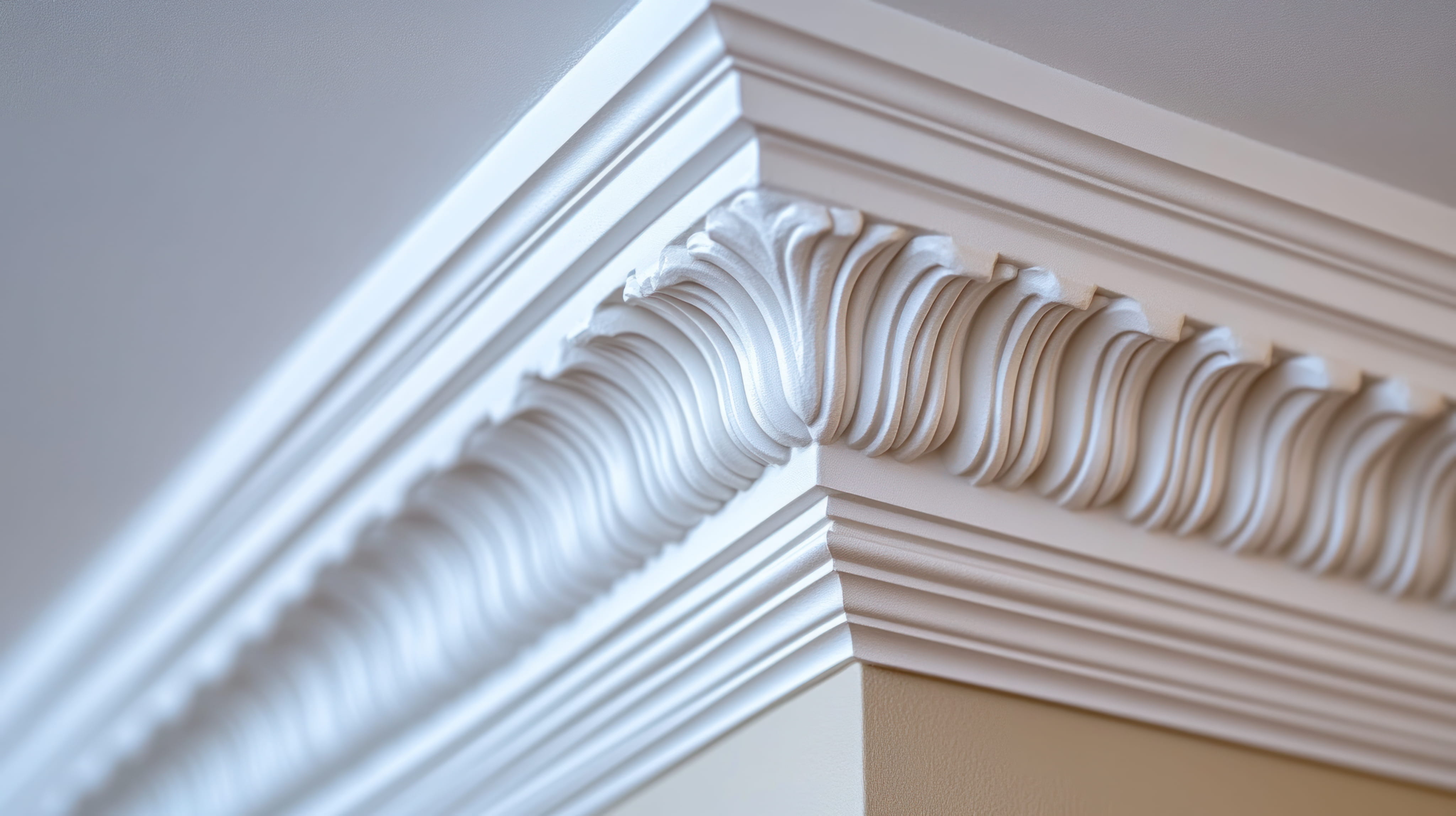
Crown molding is one of the most dramatic upgrades you can make to an interior for the money. It softens the sharp corner where wall meets ceiling, adds architectural character, and makes ordinary rooms feel more finished. It's also one of the trickiest trim installations, which is why knowing the basics helps you plan well and hire well.
What Crown Molding Does
Crown molding is installed at an angle across the corner between wall and ceiling. It adds a visual transition that draws the eye upward, hides imperfect joints, and gives a room a sense of completeness. In a plain room, adding crown can change the whole feeling without moving a wall.
Choosing the Right Size
Proportion is everything. A crown that's too small looks like an afterthought, while one that's too large can feel heavy. Taller ceilings can handle larger crown, and lower ceilings generally look better with a modest profile that doesn't crowd the room. A good approach is to hold sample sections at the ceiling and step back to judge the effect.
Styles and Profiles
Traditional profiles feature curves and layered details, suiting formal and classic interiors. Simple, flat, or stepped profiles suit craftsman and modern spaces. Some designs are plain and clean, others ornate with dentils or decorative elements. Choose a style consistent with the baseboard and casing so the room's trim feels related.
Materials
Primed MDF is common and economical, with consistent quality and smooth surfaces for paint. Wood, such as pine or hardwood, offers real grain and suits stained finishes. Polyurethane and other synthetic crowns are lightweight and moisture-resistant, and they can be easier to install in some situations. Flexible crown exists for curved walls.
Built-Up Crown
For a larger, richer look, builders sometimes layer multiple moldings, such as a flat board, a cove, and a cap, to create a custom profile. Built-up crown allows height and depth beyond a single piece and can be tailored precisely to the room. It takes more time, which affects cost.
Why Crown Is Harder to Install
Because crown sits at an angle, cuts are compound, meaning the saw is adjusted for two angles at once. Walls and ceilings are rarely perfectly square, so each corner may require adjustment. Installers often cope inside corners for a tight fit and use blocking or nailers to secure the molding in the right position. Working overhead for long runs also demands patience.
Inside and Outside Corners
Inside corners are commonly coped, with one piece shaped to fit against the profile of the other, which handles minor wall irregularities better than a simple miter. Outside corners are mitered and require careful alignment. Getting these corners clean is a hallmark of skilled trim work.
Nailing and Blocking
Crown needs to be secured to framing or to blocking so it stays put. Without proper backing, the molding can sag or pull away from the wall and ceiling. In some cases, installers add a nailer or backing strip to create a solid fastening point, especially where the wall and ceiling don't offer ideal framing.
Handling Gaps and Imperfections
Even in a well-installed crown, tiny gaps appear because walls and ceilings are never perfect. Caulk is used to close minor gaps, and wood filler handles nail holes. The goal is a seamless look after painting, which relies on careful prep and finishing.
Painting and Finishing
Most crown is painted, often white or a shade that matches the trim. Painting before installation can speed up the work, with touch-up after. Satin or semi-gloss finishes are typical for trim. Stain-grade crown requires more precise cuts and finishing because joints can't be hidden by paint.
Ceiling Height and Room Size
Crown makes a room feel more formal and can visually lower a very high ceiling or add interest to a flat one. In small rooms, a simple, modest crown works best. In large or high-ceilinged spaces, bigger profiles and layered designs shine.
Adding Lighting
Some homeowners build a recessed ledge behind or above crown for indirect lighting. This adds ambiance and can highlight the molding. It requires planning and electrical work, so it should be considered before installation begins.
Cost Considerations
Crown costs more than baseboard because of the labor, material size, and equipment involved. Complex profiles, tall ceilings, and many corners increase price. Getting a detailed quote that lists linear feet, material, and finishing helps you compare options.

Ready to add the finishing detail that changes a room? Our team will help you choose the right profile and size, then install it with clean, tight corners. Request your free crown molding estimate today.

Karter & Co


