

Cleaning Brick, Stone, and Masonry Safely: Efflorescence, Moss, Stains, and What Not to Do
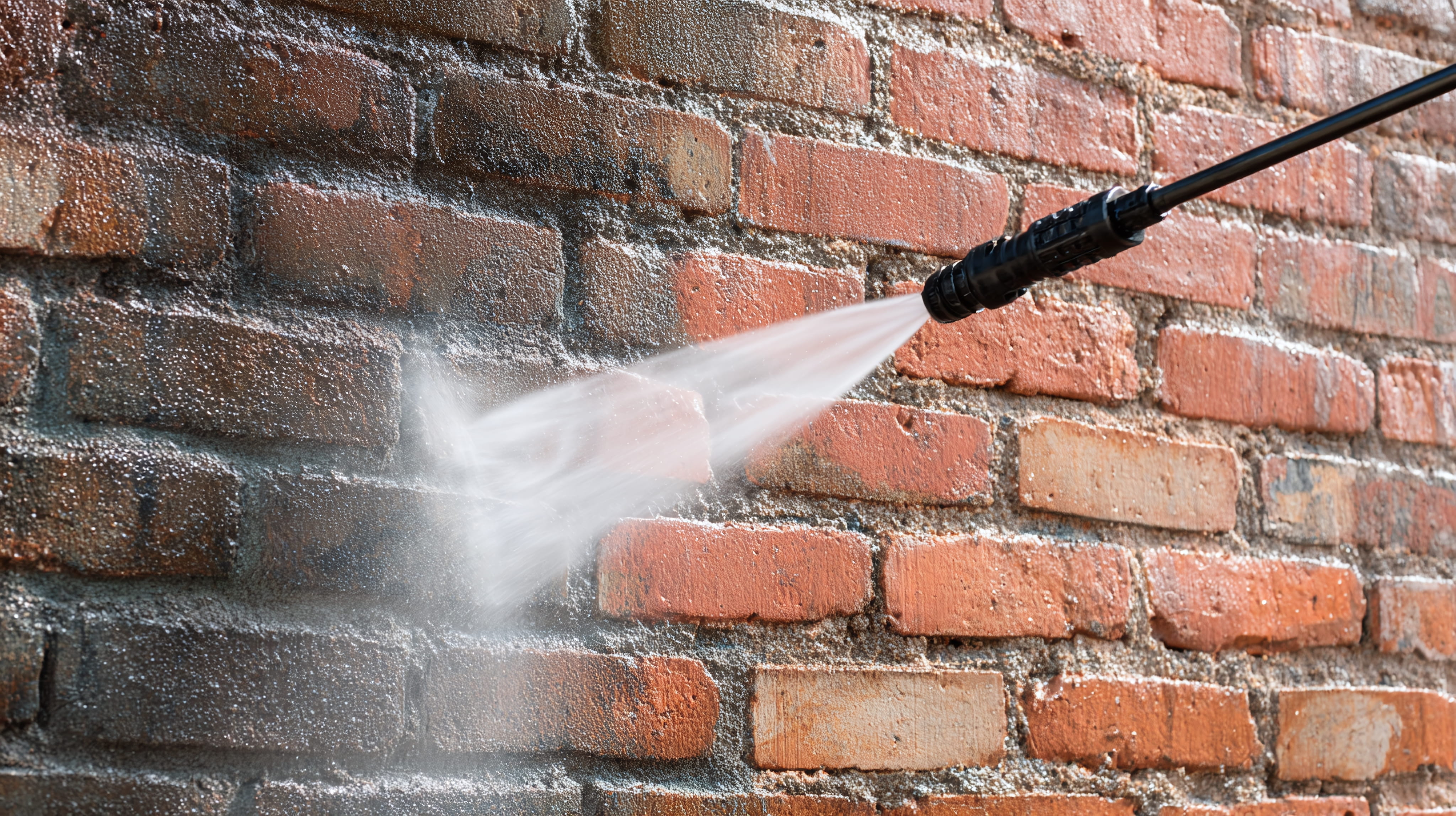
Brick and stone give a home character and permanence, but over time they collect dirt, moss, algae, mineral deposits, rust stains, and soot. The temptation is to blast them with a pressure washer or douse them with strong acid, and that's exactly how many masonry walls get damaged. Brick faces can erode, mortar can wash out, soft stone can pit, and water forced deep into masonry can cause problems for years. Cleaning masonry successfully means matching the method to the material and the stain, and sometimes it means doing much less than you think. Here's how professionals approach it.
Why Masonry Is Easy to Damage
Brick, stone, and mortar are porous, and they absorb water and cleaning chemicals. Older masonry is often softer than modern material, with lime-based mortar that erodes under pressure. Harsh methods can strip protective surfaces, leaving masonry more vulnerable to weather.
Identify the Material
Common exterior masonry includes fired clay brick, concrete block, natural stone such as limestone, sandstone, granite, and slate, and manufactured stone veneer. Each reacts differently to water pressure and chemicals. Limestone and sandstone are soft and sensitive, while granite is dense and durable.
Assess Condition First
Look at mortar joints, cracks, loose bricks, and signs of moisture problems. Cleaning weak masonry can cause more damage. If mortar is crumbling, repointing may be needed before or after cleaning. A careful inspection guides your approach.
Start With the Gentlest Method
The best principle in masonry cleaning is to begin with the gentlest approach that could work, then escalate only if needed. That often means a soft brush and mild cleaner, followed by low-pressure rinsing. Aggressive methods are the last resort.
Low-Pressure and Soft Washing
Soft washing uses low pressure and appropriate cleaning solutions to remove organic growth and dirt without damaging the surface. It's often the safest choice for brick, stone, and stucco. The solution does the work, and thorough rinsing finishes the job.
Pressure Washing Masonry
Pressure can be used on dense, sound masonry with care, using wide fan nozzles, sufficient distance, and controlled pressure. Pressure is risky on soft brick, old mortar, and sandstone. Testing in an inconspicuous area shows whether the surface can handle it.
Why Sandblasting Is Usually a Mistake
Abrasive blasting strips the hard outer surface of brick, called the fire skin, and exposes the softer interior to moisture and weathering. It can permanently damage masonry and change its appearance. Gentler methods are almost always better.
Moss and Algae
Green and black growth thrives on shaded, damp masonry. Cleaning with an appropriate algaecide or soft wash solution kills growth at the source, and rinsing removes residue. Scraping moss gently with a soft tool helps, while wire brushes can scratch.
Preventing Regrowth
Improve sunlight and airflow by trimming plants, fix gutter overflows, and direct sprinklers away from walls. Some products leave a residual to slow regrowth. Moisture control is the long-term solution.
Efflorescence
Efflorescence is a white, powdery deposit of salts carried to the surface by moisture. It can often be dry brushed and rinsed away. Stubborn deposits may require specialized efflorescence cleaners, used carefully. If it keeps returning, there's a moisture source that needs attention.
The Problem With Muriatic Acid
Strong acids are sometimes used on masonry but can burn brick, damage mortar, etch stone, and harm plants and skin. They require careful dilution, pre-wetting, neutralizing, and protective gear. Many professionals avoid them or use gentler, specialized products.
Rust Stains
Rust from metal fixtures, fertilizer, and irrigation water leaves orange stains. Rust removers made for masonry can lift them, but test first, since some chemicals discolor surfaces. Fixing the source, such as sprinkler spray, prevents recurrence.
Soot and Smoke Stains
Fireplace and chimney exteriors collect soot and smoke staining. Cleaning requires degreasing cleaners and gentle scrubbing. Heavy soot may need repeated applications. Chimney interiors should be inspected by qualified chimney professionals.
Oil and Grease
Oil stains on masonry paving and walls can be treated with degreasers and poultices that draw the oil out. Fresh spills respond better than old ones. Test cleaners in a small area to avoid discoloration.
Paint and Graffiti
Paint on masonry is difficult to remove without damaging the surface. Specialized strippers and careful application are needed, followed by thorough rinsing. Graffiti removal should start with a test patch, and may require professionals.
Ivy and Vines
Climbing plants can damage mortar and trap moisture. Cut vines at the base and let them die back before removing them gently, since pulling them can tear mortar and surface material. Residual root hairs may need careful cleaning.
Stone Veneer
Manufactured stone veneer has a porous surface and thin face that can be damaged by aggressive cleaning. Use mild cleaners and low pressure. Check the manufacturer's care instructions.
Flagstone, Pavers, and Retaining Walls
Horizontal stone and paver surfaces gather algae and stains. Cleaning is similar, but sand joints can wash out under pressure. Re-sanding and sealing after cleaning can protect the surface. Retaining walls with water seepage may have deeper moisture issues.
Mortar Joints
Mortar joints are weaker than brick, and cleaning pressure that is safe for the brick can erode the mortar. Inspect joints before and after cleaning, and repoint where needed. Healthy mortar keeps water out.
Repointing Before or After Cleaning
Repointing is the process of removing damaged mortar and replacing it. Cleaning first can reveal weak joints, and repointing after cleaning avoids staining fresh mortar. Plan the sequence with your mason.
Protect Windows, Wood, and Plants
Cleaning solutions and runoff can damage plants, stain wood trim, and etch glass or aluminum. Mask, rinse, and shield surrounding materials. Professionals protect the surroundings as part of the process.
Rinse Thoroughly
Residual cleaner left on masonry can discolor it or cause efflorescence later. Rinse thoroughly, starting from the top. Use enough water, but avoid forcing it deep into the wall.
Let It Dry
Masonry takes time to dry. Wet masonry looks darker, so judge results after drying. Don't seal or paint until the wall has dried completely.
Sealing After Cleaning
Some masonry benefits from breathable, water-repellent sealers that reduce absorption without trapping moisture. Film-forming sealers can trap moisture and cause spalling. Choose products designed for masonry, and test first.
Testing First
Always test cleaning methods in a hidden area, wait for it to dry, and evaluate. Different bricks and stones react differently. A test patch prevents big mistakes.
When to Call a Professional
Historic masonry, high walls, stubborn stains, and soft stone are best handled by professionals who know the materials and have the right equipment. They can also assess moisture and repair needs.
Cost Considerations
Cost depends on area, height, stain type, material, and method. Gentle methods cost more per square foot than blasting but protect the masonry. A good professional explains their approach and why.
Chimney and Fireplace Exteriors
Exterior chimney masonry takes the brunt of weather, and stains from soot, efflorescence, and mortar failure are common. Cleaning is only part of care. Inspect the crown, flashing, and mortar joints, since water entry causes more damage than dirt. Chimney work at height should be done by professionals.
Brick Veneer vs. Solid Masonry
Brick veneer is a single layer of brick over a framed wall, while solid masonry has multiple layers. Veneer walls have an air gap and weep holes at the bottom that must stay clear. Forcing water into veneer can soak the wall behind. Gentle methods are especially important.
Weep Holes and Flashing
Weep holes at the base of brick veneer let moisture escape. Cleaning shouldn't block or flood them. Mortar droppings and debris can clog weep holes, causing moisture problems. Check them after cleaning.
Sealing and Water Repellents
Breathable water-repellent treatments can reduce water absorption in porous brick and stone. They're not a fix for leaks or damaged mortar. Choose products suited to your masonry, and apply them to clean, dry surfaces according to the label.
Cleaning Retaining Walls and Garden Walls
Retaining and garden walls often have moisture behind them, which leads to efflorescence, staining, and growth. Cleaning improves appearance, but drainage behind the wall is what controls the cause. Inspect for bulging, leaning, and cracking, which need a mason or engineer.
Dealing With Hard Water and Irrigation Stains
Sprinkler spray leaves mineral deposits and rust stains on walls. Specialized removers can lift them, but the real fix is adjusting sprinkler heads away from the masonry. Preventing the source saves repeated cleaning.
Cleaning Before Painting or Sealing
If you plan to paint or seal masonry, thorough cleaning and complete drying come first. Efflorescence, algae, and loose material interfere with adhesion. Plan for adequate drying time before coating.

Want your brick and stone clean without the damage? Our crew identifies your masonry, tests gentle methods first, removes moss, efflorescence, and rust stains safely, protects plants and windows, and rinses thoroughly, so the surface looks fresh and stays sound. Request your free pressure washing estimate today.

Karter & Co


