

Choosing Exterior Paint Colors and Getting HOA Approval Without the Headache
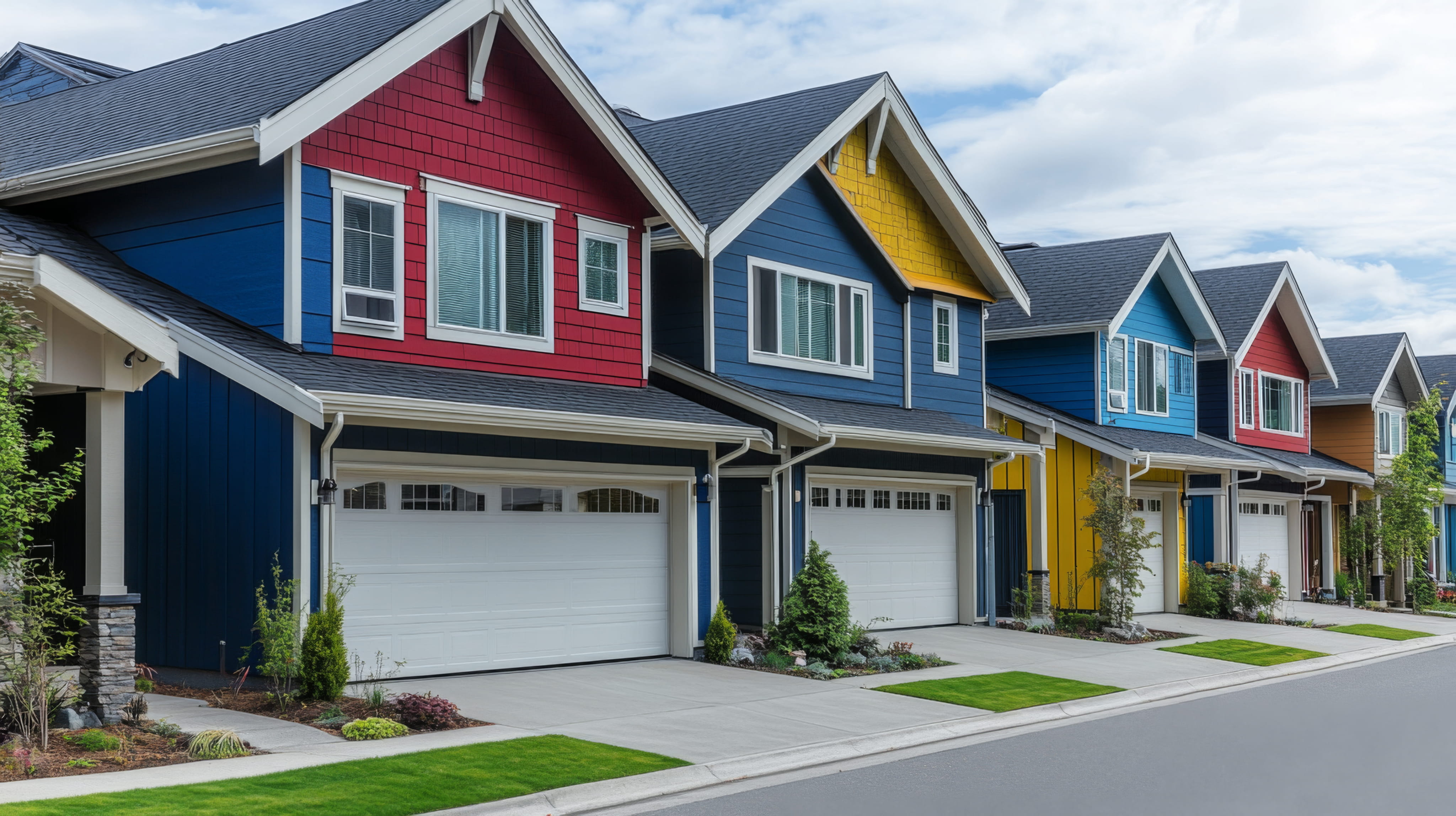
Choosing exterior paint colors is a high-stakes decision. A house is large, the color is highly visible, and a repaint isn't cheap. If your home is part of a homeowners association, there's an extra layer: approval from an architectural review committee, with rules about which colors are allowed and what documents you need to submit. Many homeowners find the process confusing and discover only after the work has started that a color wasn't approved. Planning your palette and your application carefully saves time, money, and frustration.
Start With the Fixed Elements
Your roof, brick, stone, driveway, and windows are unlikely to change, so the new color has to work with them. Look at their undertones: warm, cool, or neutral. A color that clashes with a fixed element will look wrong no matter how nice it is on its own. Hold paint samples next to these elements in daylight.
Understand Undertones
Colors have hidden undertones, such as yellow, red, green, blue, or violet, that show up when they're beside other colors. Grays can lean blue, green, or purple. Beiges can lean pink or yellow. Mismatched undertones make a palette feel off. Testing samples side by side reveals them.
Think in Terms of a Palette
An exterior palette usually includes a main body color, a trim color, and an accent color for the door and shutters. Keeping to three colors, or a light variation of them, keeps the house cohesive. Many HOAs have approved palettes designed to harmonize within the community.
Consider the Architecture
Colonial, craftsman, ranch, modern, and Mediterranean homes each have traditional palettes. Following the style of the home doesn't mean being boring, but colors that suit the architecture usually look better. Ask a painter or designer for examples from similar homes.
The Effect of Light
Sunlight, shade, and surrounding landscaping change how color looks. A color that looks warm and soft in the morning can look harsh at midday or dull in the shade. Look at samples on different sides of the house and at different times of day.
Test Large Samples
Small paint chips are unreliable outdoors. Paint large sample boards or patches directly on the house, and observe them over several days. Place them next to the roof, trim, and landscaping. This is the best way to avoid surprises.
Light Reflectance Value
Light reflectance value, or LRV, measures how much light a color reflects. Dark colors have low LRV and absorb heat, which can matter for certain siding materials. Light colors reflect more light and heat. Some manufacturers and HOAs limit colors to certain LRV ranges.
Heat and Fading
Dark colors absorb more heat and can fade faster in strong sun, and some siding, such as vinyl, can warp with dark colors. Choose high-quality, fade-resistant paints, and check the siding manufacturer's guidance. Heat and fading are practical considerations as well as aesthetic ones.
Neighborhood Context
Look at neighboring homes, but you don't need to match them. Avoid choosing the exact same color as the house next door, unless the community requires coordinated palettes. Pay attention to the overall streetscape.
How HOAs Typically Work
Many HOAs have an architectural review committee that must approve exterior changes, including paint color. Rules are found in the community covenants and design guidelines. Some HOAs provide a list of approved colors, while others review each request individually.
Read the Guidelines First
Before choosing colors, read your HOA's governing documents. Look for approved palettes, restrictions on bold colors, rules about trim and doors, and requirements for repainting in the same color. Knowing the rules upfront narrows your choices and prevents rejection.
What the Application Usually Requires
Applications often ask for color names and manufacturer numbers, color samples or chips, a description of which areas will be painted, the property address, and sometimes photos or a simple diagram. Some require signatures from neighbors. Being thorough speeds approval.
Provide Exact Product Information
Include the manufacturer name, color name, and number for each color. Different brands have similar-sounding colors that look different, so specificity matters. If you're repainting in the same color, provide the existing color information and photos.
Timelines
Review committees may meet monthly, and approval can take several weeks. Submit early, and don't schedule painters until you have written approval. Starting before approval can lead to fines or orders to repaint.
Keep Written Approval
Save the approval letter and the approved color list. If a dispute arises later, you'll have documentation. Share the approval with your painter so they use the exact approved colors.
If You're Denied
If your request is rejected, ask for the reason and whether an alternative is acceptable. You may be able to adjust a color slightly or choose another approved option. Be polite and keep communication open.
Don't Deviate From the Approval
Using a different color or finish than approved can result in violations. Ask for approval of any changes. Take care that your painter uses the approved products and sheen.
Choosing Trim and Accent Colors
Trim color frames the house, and accent colors on doors and shutters add personality. White and off-white trim are common, but trim can also be a deeper tone for a modern look. Accents should coordinate with the main color and the roof.
Sheen on Exteriors
Flat and low-sheen finishes hide imperfections but hold dirt more readily, while satin and semi-gloss shed dirt and are easier to clean. Many HOAs specify sheen as well as color. Trim and doors are often a higher sheen than siding.
Working With Your Painter
A professional painter can help you narrow colors, prepare samples, and complete applications. They know which products perform best and can advise on how colors look on different materials. Share HOA requirements with them upfront.
Cost and Quality
Color choice doesn't dramatically change cost, but deep colors may need more coats for coverage, and premium paints cost more. Quality paint and thorough prep protect the investment and keep the color looking fresh.
Avoiding Costly Mistakes
Skipping large samples, ignoring undertones, not reading HOA rules, and starting before approval cause most problems. Slowing down at the beginning saves time and money later.
Looking at Existing Examples
Drive through your neighborhood and take photos of houses whose colors you like. Note the roof, siding, and trim colors, and bring photos to your painter. Real-world examples are more helpful than abstract color chips.
Digital Visualization Tools
Many paint companies offer online tools that let you upload a photo and preview colors on your house. They're a useful starting point but don't replace real samples, since screens distort color. Use them to narrow down choices before testing.
Roof Color and Its Influence
The roof is a large, permanent color on most homes, and it often has undertones that affect the palette. A brown roof calls for warm colors, while a gray or black roof offers more flexibility. Take your roof sample outside when comparing.
Landscaping and Seasonal Change
Greenery, flowers, and fall colors change the way your house looks through the year. Select colors that look good against foliage in each season. Deep greens and warm neutrals are common choices that blend with landscaping.
Resale and Broad Appeal
If you may sell soon, neutral palettes appeal to the widest audience. Bold colors can be wonderful but may narrow buyer interest. Consider the long-term view, particularly in neighborhoods with a traditional character.
Dealing With a Repaint Requirement
Some HOAs require repainting on a schedule or when paint is deteriorating. Keep track of your last paint date, and plan ahead so you can submit an application and schedule the work before you receive a notice.
Preparing a Complete Application Packet
Include a clear description of the work, color samples or fan decks, the product and color numbers, a photo of the existing house, and a sketch showing where each color goes. A neat, complete packet makes it easy for reviewers to say yes.
Communicating With Neighbors
If your community encourages neighbor input, let adjacent homeowners know about your plans. A friendly heads-up can prevent objections and build goodwill. Be respectful of their views and open to feedback.
Working Around Painting Season
Painters are busy during mild weather, and HOA approvals can take weeks. Start the process early so you can book your preferred dates. A well-planned schedule avoids rushing decisions or missing the best painting window.
Matching Previous Colors
If you're repainting the same colors, a repaint may require only notification rather than full approval, depending on your HOA. Check the rules, and keep records of your previous colors. If you don't have them, a paint store can often match from a chip.
Handling Violations
If you receive a notice about unapproved paint, respond promptly and in writing. Ask about the process to resolve it, which may include submitting an application after the fact or repainting. Early cooperation usually leads to better outcomes.

Ready to choose exterior colors with confidence? We'll help you test large samples on your home, narrow a palette that fits your roof, brick, and style, prepare the product details for your HOA application, and paint only after approval. You'll avoid costly repaints. Get your free exterior painting estimate today.

Karter & Co


