

Choosing Drywall Thickness and Type: Half-Inch, Five-Eighths, Lightweight, and Specialty Boards
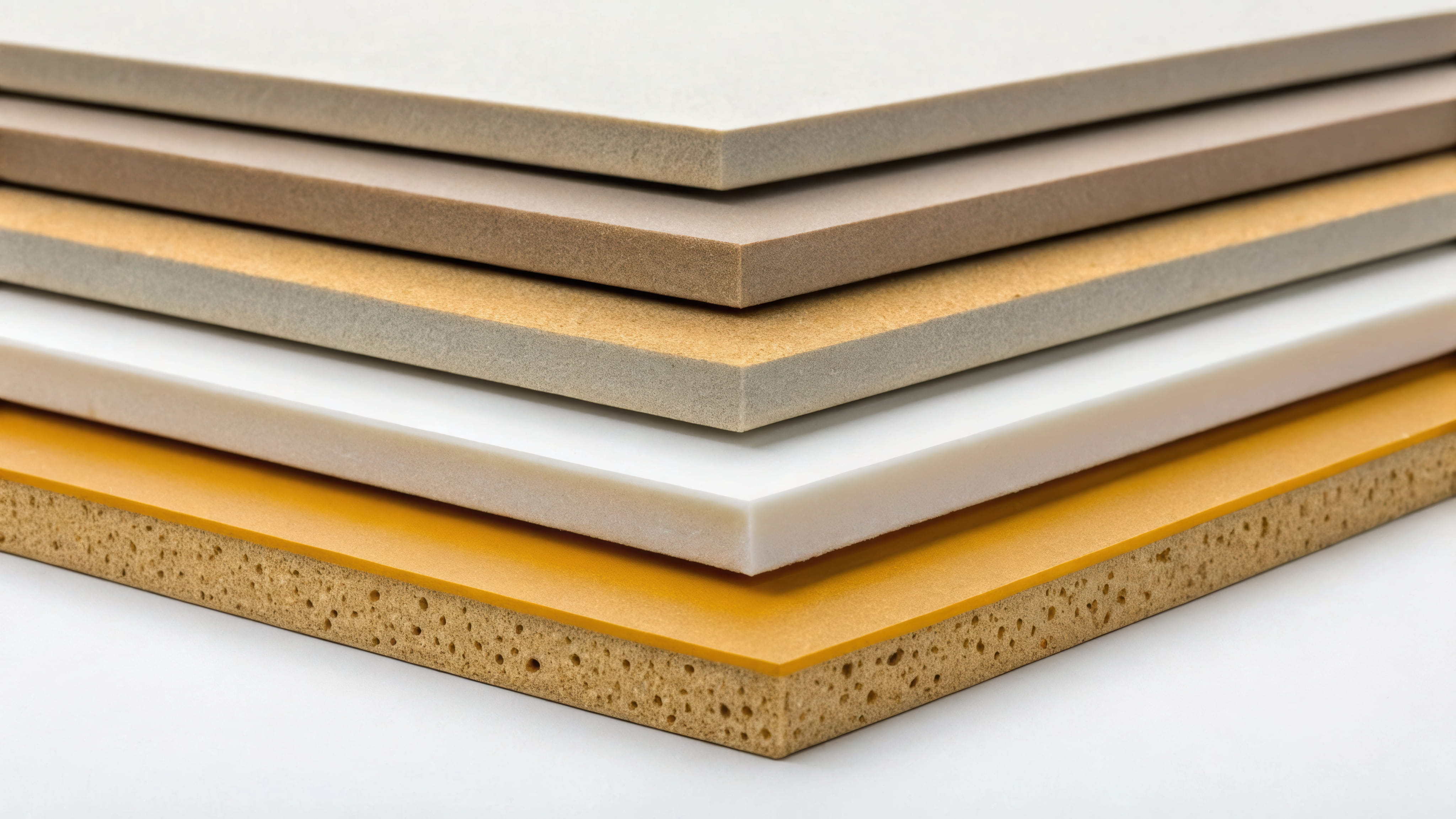
Drywall looks like a single product, but walk into a supply yard and you'll find a surprising variety: different thicknesses, edges, sizes, and specialty formulas for fire, moisture, sound, and impact. Choosing the right board affects how flat and strong the finished wall is, how it handles fire and moisture, how easy it is to install, and how well a repair will match the surrounding surface. Whether you're planning a remodel, an addition, or a patch, understanding the basic types helps you ask the right questions and avoid mistakes.
Why Thickness and Type Matter
Thickness affects stiffness, sag resistance, sound transmission, and fire performance. Type determines whether the board resists moisture, mold, fire, or impact. Using the wrong board can lead to sagging ceilings, soft walls, code violations, or repairs that don't blend. Matching board to application is basic good practice.
Standard Thicknesses
Common thicknesses include quarter-inch, three-eighths inch, half-inch, and five-eighths inch. Half-inch is typical for residential walls, and five-eighths is common for ceilings, fire-rated assemblies, and higher-quality finishes. Thicker board is stiffer, heavier, and more expensive.
Quarter-Inch Drywall
Quarter-inch board is thin and flexible. It's used for curved walls, as a layer over existing surfaces, and for some repairs where thickness must be minimized. It isn't strong enough to be used alone on typical wall framing.
Three-Eighths Inch Drywall
Three-eighths board is used in some repair and remodel applications, such as overlaying damaged plaster or creating certain curves. It's uncommon in new construction and generally not recommended for standard walls.
Half-Inch Drywall
Half-inch drywall is the standard for most residential walls with studs spaced sixteen inches apart. It balances weight, cost, and strength, and it's widely available. For ceilings, special sag-resistant half-inch board or thicker board is often used.
Five-Eighths Inch Drywall
Five-eighths board is stiffer, denser, and more sound- and fire-resistant than half-inch. It's often required for fire-rated assemblies and is commonly used on ceilings and walls where a higher-quality, flatter finish is desired. It's heavier and harder to handle.
Drywall for Ceilings
Ceilings are prone to sagging, especially with wider framing spacing and heavier textures. Using sag-resistant half-inch board or five-eighths board, along with proper fastening, helps keep ceilings flat. Spacing of the framing matters, so follow the manufacturer's recommendations.
Framing Spacing
Studs and joists are commonly spaced sixteen or twenty-four inches apart. Thinner board spans wider spacing less effectively. Thicker board allows wider spacing and resists sagging better. Check the board's span rating.
Lightweight Drywall
Lightweight boards use a modified core that reduces weight while keeping strength. They're easier to carry, lift, and install, especially on ceilings, and they reduce fatigue and the risk of injury. They may have slightly different handling characteristics, so installers should be familiar with them.
Fire-Rated Drywall
Fire-rated board, commonly called Type X, has a core designed to resist fire longer than standard board. It's typically five-eighths inch thick and is required in certain locations such as garage walls adjoining living spaces and in multi-family buildings. Requirements vary by code and location.
Moisture-Resistant Drywall
Moisture-resistant board has a treated core and facing, suitable for bathrooms and laundry rooms where humidity is high but direct water contact is limited. It's not waterproof and isn't a substitute for cement board in showers.
Mold-Resistant Drywall
Mold-resistant board uses paperless or treated facings that resist mold growth. It's used in basements, bathrooms, and humid areas. Moisture control is still essential, since no board is mold-proof.
Sound-Rated Drywall
Sound-rated board has a dense core designed to reduce noise transmission. It's used in home theaters, bedrooms, offices, and walls between units. Pairing it with insulation and resilient channels improves performance. Sealing gaps matters as much as board type.
Impact-Resistant Drywall
Impact-resistant board has a harder core and surface that stands up to dents and punctures. It's useful in garages, hallways, kids' rooms, and high-traffic areas. It costs more but can save repair work.
Flexible Drywall
Flexible board is designed for curved walls and arches. It bends more easily than standard board and can be wetted or scored to follow a radius. It's used in architectural details and requires specific installation techniques.
Panel Sizes
Standard sheets are four feet wide and come in lengths such as eight, ten, and twelve feet. Longer sheets reduce the number of seams, which can improve the finish, but they're heavier and harder to handle. Your installer will choose lengths that suit the room.
Edge Types
Most drywall has tapered edges, which create a slight recess for tape and joint compound so seams can be finished flat. Square-edged board is used in some applications such as ceilings in some systems or under certain finishes. Tapered edges are standard for walls.
Fasteners and Installation
Screws are spaced and sized to suit the board thickness and framing. Thicker board needs longer screws. Over-driving or under-driving screws leads to weak connections and cracked joints. Following manufacturer fastening patterns matters.
Weight and Handling
Thicker boards weigh more, and an eight-foot, five-eighths sheet is a heavy load. Proper lifting, lifts, and equipment protect installers. Heavier board may require additional help, especially on ceilings.
Matching Thickness for Repairs
When patching drywall, using the same thickness as the existing wall keeps the surface flush and makes finishing easier. Using a thicker or thinner patch creates ridges or depressions that are hard to hide. Measure the existing board before buying material.
Double-Layer Systems
Some assemblies use two layers of drywall for better sound or fire performance. Layers are staggered at seams and fastened properly. These systems add cost but improve performance significantly in the right applications.
Cost Considerations
Thicker and specialty boards cost more per sheet. Choosing the right board for each application is more economical than using the most expensive option everywhere or the cheapest where it matters. Ask for pricing on several options.
Code and Inspection
Building codes dictate required board types and thicknesses in some locations, particularly for fire separation. Check local requirements before buying, and schedule inspections as needed. Following code protects safety and resale value.
Common Mistakes
Using half-inch board on wide ceiling spacing, mixing thicknesses in the same plane, skipping required fire-rated board, and using standard board in damp areas are common errors. Planning avoids them.
Working With a Professional
A drywall contractor can recommend the right boards for each room, handle heavy materials, and finish seams cleanly. They also know local requirements and can match existing walls for repairs.
Sag Resistance on Ceilings
Ceilings are more likely to sag when board is too thin for the framing span, when texture is heavy, or when insulation is added above without proper support. Sag-resistant boards and correct fastener spacing help. If you're adding heavy insulation or texture, ask your installer about board choice.
Humidity, Temperature, and Installation
Drywall is best installed and finished in a controlled environment. Extreme humidity can cause joint compound to dry slowly and boards to absorb moisture, and extreme cold can interfere with drying. Good conditions improve results.
Storing Drywall Before Installation
Store sheets flat and dry, off the ground, and protected from moisture. Leaning boards against walls can cause warping. Allow boards to acclimate to the room before hanging when possible.
Planning Layouts to Minimize Seams
Smart layouts use long sheets to span walls with fewer seams, and stagger joints so they don't line up with the corners of doors and windows. Fewer, well-placed seams make finishing easier and the result more durable.
Specialty Corner and Trim Accessories
Beyond board type, accessories such as corner bead, trim, and control joints shape the finished look. Metal, vinyl, and paper-faced beads protect corners. Rounded bullnose corners are popular for a softer look and need special beads.
Asking the Right Questions
What thickness will you use on the walls and ceilings? Will any areas need fire-rated or moisture-resistant board? How will you match existing walls? What finish level is included? A good contractor can explain each choice and why it fits your project.
Drywall and Soundproofing in More Detail
Reducing noise requires more than a thicker board. Sound travels through gaps, outlets, and framing, so sealing gaps, using insulation, decoupling with resilient channels, and adding mass all contribute. If sound control matters, plan the whole assembly rather than relying on one product.
Handling and Lifting Heavy Board
Large, thick sheets are heavy and awkward. Use drywall lifts for ceilings, carry sheets on edge, and work in teams. Proper handling prevents injury and damage to board edges, which can affect finishing.
Finishing Differences Between Boards
Different board types may take joint compound and primer slightly differently. Paperless and specialty boards may require specific products. Following manufacturer finishing instructions ensures good adhesion and a smooth result.
Choosing for Future Needs
If you may hang heavy items, add insulation, or finish a room later, use sturdier boards and plan blocking now. Upgrading later is expensive. A little forethought gives you flexibility.

Not sure which drywall belongs in each room? We'll look at your framing, your ceilings, and your plans, then recommend the right thickness and type for every wall, handle the heavy lifting, and finish it smooth, with repairs that match your existing walls. Request your free drywall estimate today.

Karter & Co


