

Chair Rail, Picture Rail, and Plate Rail: Classic Wall Trim That Adds Character
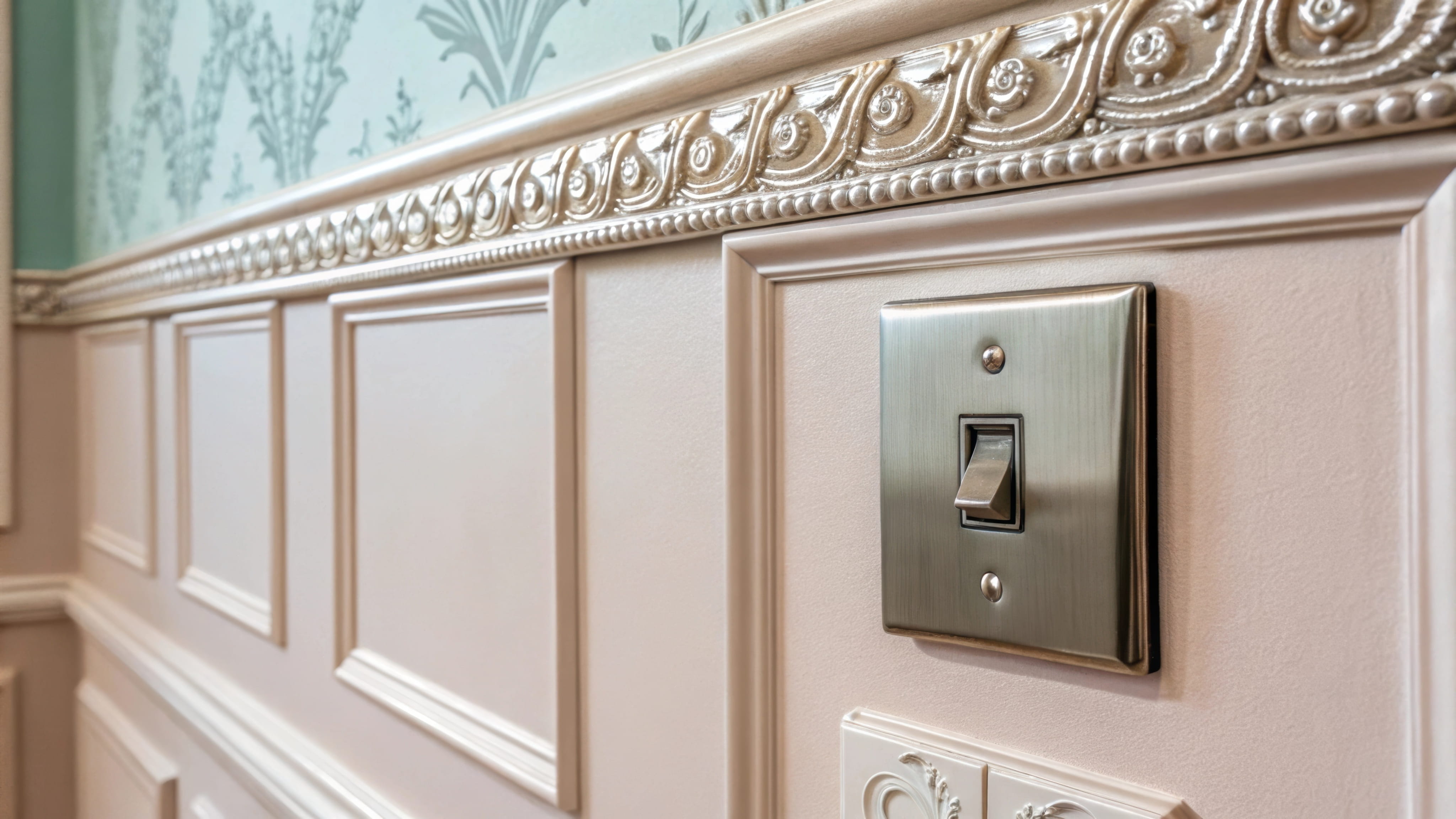
A plain, flat wall can feel unfinished no matter how nice the paint. Horizontal wall trim, such as chair rail, picture rail, and plate rail, adds structure, breaks up large expanses, and gives a room the layered, detailed look of a well-built home. These moldings have practical roots: chair rail protected plaster walls from chair backs, picture rail let owners hang art without driving nails, and plate rail displayed decorative dishes. Today they're used for style as much as function, and they can transform a dining room, hallway, stairwell, or entry. Understanding what each type does, where it belongs, and how it's installed helps you choose and plan.
What Horizontal Wall Trim Does
Wall rails visually divide a wall, add depth and shadow lines, and create places for color and texture changes. They draw the eye, make ceilings feel higher or rooms feel more intimate, and tie together other trim such as baseboards and crown. They add character without major construction.
Chair Rail
Chair rail runs horizontally around a room, traditionally at a height that protects the wall from chair backs. It's common in dining rooms, hallways, and entries. Modern chair rail is mainly decorative, but it still helps protect walls in busy areas and creates a natural division for paint, wallpaper, or paneling.
Picture Rail
Picture rail is a molding installed high on the wall, often near the ceiling, with a small ledge or groove that holds hooks and cords for hanging art. It lets you rearrange pictures without making holes in the wall. It's popular in older homes and is enjoying a revival in modern ones.
Plate Rail
Plate rail is a molding with a narrow shelf or ledge, often placed above the chair rail or at a mid-height, designed to display plates, small art, or collectibles. It adds a charming, traditional feel to dining rooms and kitchens, and it needs secure fastening to carry weight.
Choosing Chair Rail Height
A common guideline places chair rail at about one-third of the wall height, which looks balanced in many rooms. Taller ceilings can handle higher rails, while lower rooms may look better with slightly lower placement. Mock up the height with painter's tape before installing, since proportions matter.
Chair Rail and Furniture
Make sure the rail height works with the furniture in the room. Chair backs should meet the rail or sit just below it, rather than hitting a profile at an awkward point. Consider windows, outlets, and wall art when choosing the height.
Picture Rail Height
Picture rail is often placed a short distance below the ceiling, allowing art to hang from rods or cords. In rooms with tall ceilings, it can be placed lower to bring the eye down. Align it with the tops of doors and windows when possible for a cohesive look.
Plate Rail Height
Plate rail is typically installed high enough for display items to be seen and out of the way of furniture, often above head height in dining rooms. Make sure the shelf depth fits the items you plan to display, and that the molding is strong enough to bear weight.
Profiles and Styles
Rails come in many profiles, from simple flat boards to ornate, multi-layered moldings. Traditional homes may use detailed profiles, while modern homes may prefer simple, clean lines. Match the style to the other trim in the room, such as baseboards and door casings.
Materials
Wall rails are available in solid wood, MDF, finger-jointed pine, polyurethane, and PVC. Wood can be painted or stained, MDF is smooth and economical for painting, and PVC is good in damp locations. Choose based on finish, budget, and moisture conditions.
Painted or Stained Rails
Painted rails create a crisp, traditional look, often in white or a contrasting color. Stained rails show wood grain and suit craftsman and rustic interiors. Consistency with other trim keeps the room cohesive.
Two-Tone Walls and Color Breaks
Chair rail is a natural dividing line for two paint colors, such as a darker lower wall and lighter upper wall. This classic approach can make a room feel cozy and structured. Pick colors that complement each other, and test samples.
Wainscoting Pairings
Chair rail often caps wainscoting, beadboard, or paneling below it. The rail provides a finished edge and a place for the upper wall to begin. Combining these elements creates a rich, layered wall treatment.
Wallpaper Above the Rail
Wallpaper above a chair rail with paint or paneling below it is a traditional pairing. The rail provides a clean edge for the paper and a practical way to protect the lower wall. Choose patterns that suit the room's scale.
Hallways and Stairwells
Chair rail in hallways protects walls from bumps and adds visual rhythm. On stairs, the rail follows the slope of the stairs, which requires careful cutting and angle matching. A skilled carpenter handles stair-angled trim cleanly.
Dining Rooms and Entries
These formal spaces benefit from chair rail, plate rail, and picture rail, which add elegance and protect walls. Combine rails with crown molding and baseboards for a coordinated trim package.
Kitchens and Breakfast Nooks
Plate rail and chair rail work in kitchens and breakfast nooks for a cottage or farmhouse look. Use moisture-resistant materials near sinks and stoves. Keep profiles simple to make cleaning easier.
Planning the Layout
Before installing, map the room, marking height, windows, doors, outlets, and switches. Decide how the rail will wrap corners and end at openings. Planning reduces awkward joints and wasted material.
Locating Studs and Fastening
Rails are fastened into studs where possible, with finish nails or screws, and adhesive for added hold. Plate rails need stronger fastening because of the weight of displayed items. Careful stud finding prevents loose or wobbly trim.
Level Lines and Uneven Walls
Walls and floors aren't perfectly level, and a rail installed parallel to the floor can look crooked if the floor slopes. Carpenters decide whether to follow a true level line or adjust for visual alignment. A laser level helps keep lines straight.
Cutting Corners
Inside corners are often coped for tight fit, while outside corners are mitered. Rails that wrap around windows or doors need careful returns. Accurate cuts and tight joints give a professional appearance.
Dealing With Outlets and Switches
Rails often run across outlets and switches. Carpenters may notch the rail, adjust boxes, or place the rail above or below devices, depending on the design. Electrical work should be done by a licensed electrician where needed.
Returns and Ends
Where a rail ends at a door or window casing, the end should return to the wall or meet the casing neatly. Open, unfinished ends look sloppy. Returns require precise cuts and glue.
Caulk, Filler, and Finish
Caulk the joints between the rail and the wall, fill nail holes, sand smooth, and prime and paint. Good finishing hides seams and makes the rail look like part of the wall. Quality paint and careful brushwork matter.
Historic and Older Homes
Older homes often have original wall rails with unique profiles. Repairs or additions may need custom milling to match. In homes built before the late 1970s, lead paint may be present, so sanding and removal require precautions.
Modern Takes
Contemporary designs use simple, flat rails, square profiles, or integrated lighting. Box molding and picture frame molding create modern geometric looks. Even a single horizontal line can give a modern wall structure.
Cost Considerations
Cost depends on room size, profile, material, number of corners, and finishing. Simple rails are inexpensive, while complex, multi-piece assemblies cost more. Detailed quotes include materials, labor, and finishing.
DIY or Professional
Basic rails can be a DIY project for a handy homeowner, but achieving tight corners, level lines, and a clean finish takes skill. Mistakes show on long visible runs. A professional carpenter can handle complex layouts and uneven walls.
Choosing a Carpenter
Ask about experience with wall trim, see examples, and ask how they handle uneven walls, outlets, and corners. A clear plan and a written scope show professionalism.
Lighting and Wall Trim Together
Picture lights, sconces, and recessed lighting interact with wall rails. Plan fixture locations so rails don't conflict with electrical boxes, and consider how light and shadow will play on the profile. Good coordination makes the trim look intentional.
Rails in Modern and Minimal Rooms
Simple, flat rails can add a clean, architectural line in contemporary spaces. Painted in the same color as the walls, they create subtle shadow lines. In bolder designs, a contrasting rail becomes a graphic element. Scale and restraint matter.
Matching Rails Across the Home
Using consistent profiles and finishes across rooms makes a home feel cohesive, though different rooms may use different heights or complexity. A carpenter can recommend a coordinated trim package for baseboard, casing, crown, and wall rails.

Want your walls to feel finished? Our carpenters plan the height with tape mock-ups, locate studs, scribe to uneven walls, cope and miter tight corners, and fill, caulk, and finish chair rail, picture rail, and plate rail so they look original to your home. Request your free trim carpentry estimate today.

Karter & Co


