

Cedar and Redwood Decking: Natural Beauty, Real Tradeoffs
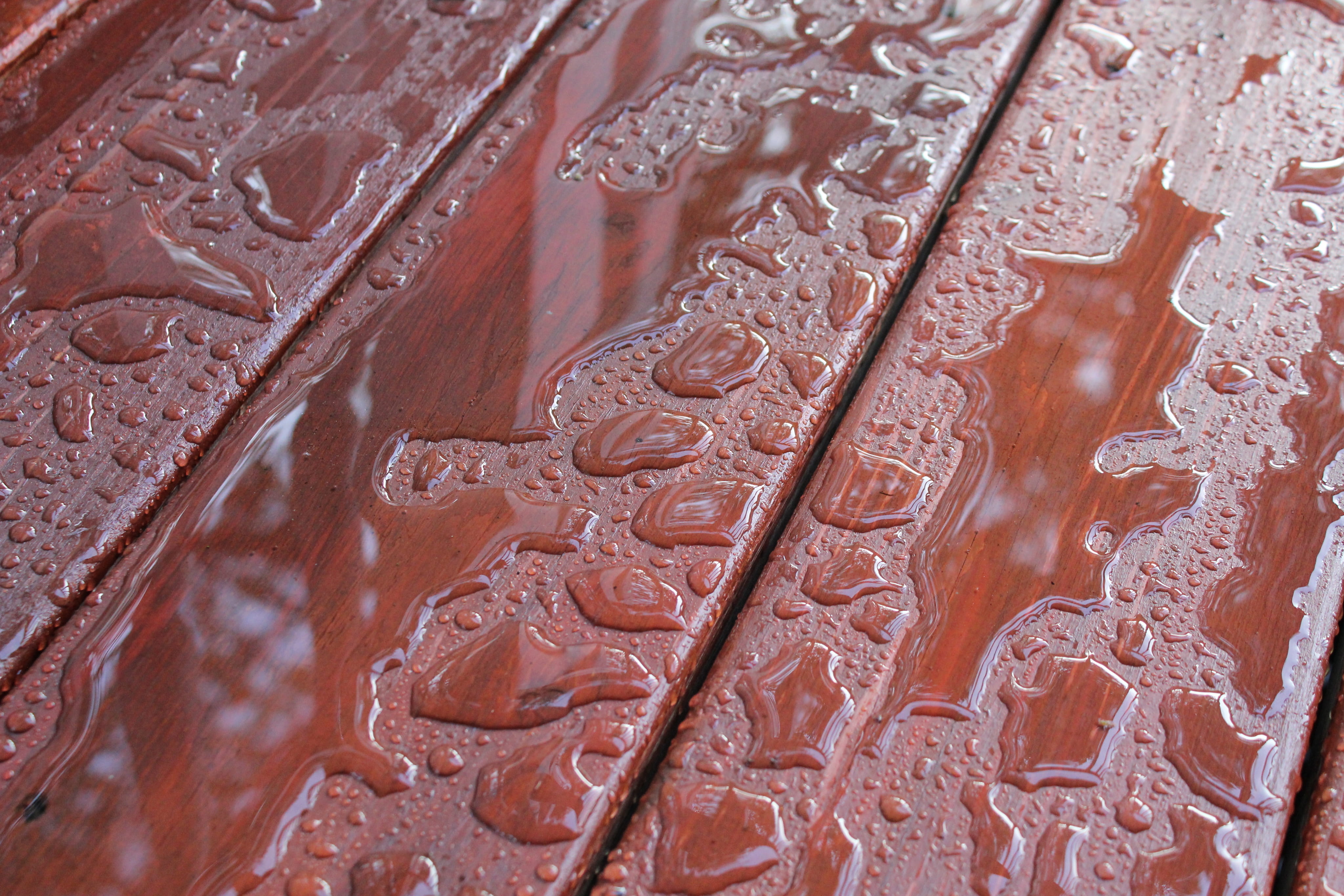
Cedar and redwood occupy a special place among decking materials. They offer rich color, a pleasant scent, natural resistance to decay and insects, and a warmth that many people feel synthetic materials can't match. They also cost more than pressure-treated lumber and need regular care to keep their look. Understanding both sides helps you decide whether the natural beauty is worth the investment for your deck.
What Makes Cedar and Redwood Different
Both woods contain natural oils and compounds that resist decay and many insects without chemical treatment. They're lighter and softer than many other decking woods, which makes them easier to work with and comfortable underfoot. Their color ranges from warm reds and ambers to lighter tones, and the grain is straight and attractive.
Western Red Cedar
Western red cedar is one of the most popular premium decking choices. It's lightweight, dimensionally stable, and naturally resistant to rot. Its color varies from pale to rich reddish brown, and it has a distinctive aroma. Because it's relatively soft, it can dent and scratch more easily than harder woods.
Redwood
Redwood offers deep, rich color and excellent natural durability, and it's valued for its stability and clean grain. Availability and pricing vary by region, and sourcing from responsibly managed forests is a consideration for many homeowners. Like cedar, redwood is softer than many hardwoods.
Heartwood vs. Sapwood
Heartwood, from the center of the tree, contains more of the protective oils and is more durable. Sapwood, from the outer part of the tree, is lighter in color and less decay resistant. Higher grades of decking contain more heartwood, and they cost more. For long-lasting performance, heartwood grades are the better choice.
Grades and Appearance
Premium grades have fewer knots and a more consistent color. Lower grades include more knots and variations, which some people find rustic and charming. The grade you choose affects appearance, price, and how the deck weathers. Look at samples to see what suits your taste.
Cost Compared With Other Options
Cedar and redwood generally cost more than pressure-treated pine and less than most high-end composites and tropical hardwoods, though prices fluctuate by region and grade. The higher upfront cost buys appearance and natural durability. Consider long-term maintenance cost as part of the comparison.
Durability and Lifespan
With proper care, cedar and redwood decks can last many years. They resist rot better than untreated pine, but they are not immune. Exposure to moisture, poor ventilation, and neglect shorten their life. Softness means they can show wear in high-traffic areas sooner than harder materials.
Maintenance Requirements
Left alone, cedar and redwood weather to a silvery gray. If you prefer to keep their original color, you'll need to clean and apply a UV-protective, water-repellent finish regularly. Maintenance frequency depends on exposure and product, but plan on periodic cleaning and refinishing to keep the wood looking its best.
Weathering to Gray
Many homeowners enjoy the soft gray patina that develops naturally. If you embrace this look, you can still protect the wood with a clear sealer that slows moisture absorption while allowing the color to shift. Mildew can grow on shaded surfaces, so cleaning remains important.
Staining and Sealing Tips
Apply finishes to clean, dry wood, and follow the manufacturer's instructions. Penetrating oil-based or semi-transparent products often work well because they soak into the wood rather than forming a film that can peel. Test in an inconspicuous area first to check color.
Fasteners and Hardware
Cedar and redwood contain natural tannins that can react with certain metals and cause dark staining around fasteners. Stainless steel fasteners are the best choice, and hot-dip galvanized options may work in some applications. Using the wrong fasteners can leave unsightly black streaks.
Spacing and Installation
Cedar and redwood swell and shrink with moisture, so proper spacing between boards allows drainage and movement. Boards are typically installed with consistent gaps, and ends are sealed to reduce moisture entry. Good installation supports longevity and appearance.
Softness and Wear
These woods are softer than many alternatives, so heels, furniture legs, and grills can leave marks. Using felt pads, rugs, and protective mats in high-use areas reduces wear. Some homeowners accept patina as part of the character of natural wood.
Pests and Rot Resistance
Natural resistance is helpful but not absolute. Prolonged moisture, poor drainage, and contact with soil can lead to decay. Keep the wood off the ground, allow airflow, and fix problems promptly. For framing, many builders use pressure-treated lumber and reserve cedar or redwood for visible surfaces.
Combining Cedar With Other Materials
A common approach is to use pressure-treated lumber for the structural framing and cedar or redwood for the surface, railings, and trim. This saves cost while delivering the visual appeal where it matters. Make sure materials are compatible and fasteners are appropriate for both.
Sustainability Considerations
Look for lumber from responsibly managed forests, and ask about certifications. Choosing sustainably sourced wood supports forest health. Some homeowners prefer reclaimed or locally sourced options when available.
Scent and Comfort
Cedar's aroma is a distinctive benefit, and both woods feel comfortable underfoot because they stay cooler than many dark synthetic products in direct sun. These sensory qualities are part of why people love them.
Who Should Choose Cedar or Redwood
If you value natural beauty, enjoy wood's character, and are willing to maintain it, cedar or redwood can be a rewarding choice. If you want minimal maintenance or heavy-duty wear resistance, you might prefer composite or harder woods. Be honest about your priorities.
Questions to Ask Your Builder
What grade is the wood? Is it heartwood? How will it be fastened? What finish do you recommend, and how often should it be reapplied? What lifespan can I expect? Clear answers help you set realistic expectations.
Seeing Samples
Look at full-length samples, ideally outdoors, and ask to see decks built with the same material after a few years. Color and grain vary, so seeing real examples helps you decide.
Splinters, Feel, and Barefoot Comfort
Because cedar and redwood are softer and straight-grained, they tend to feel comfortable underfoot, and good grades splinter less than coarse lumber. Edges are often eased or rounded to reduce splinters further. If barefoot use is a priority, ask for boards with smooth, rounded edges and inspect them by hand.
Heat in Direct Sun
Natural wood generally stays cooler than many dark synthetic decking products in strong sun. Lighter-toned woods reflect more light, and finishes can influence heat as well. If your deck gets intense afternoon sun, this is a practical advantage worth considering, especially for families and pets.
Cleaning Cedar and Redwood
Clean the surface regularly by sweeping debris and washing with a gentle wood cleaner and soft brush. Avoid harsh pressure that can roughen soft fibers, and keep the nozzle at a safe distance if you use a pressure washer. Mildew in shaded areas responds to appropriate cleaners. Always allow the wood to dry before sealing.
Repairing Damaged Boards
One advantage of wood is that individual boards can be replaced when damaged. A few dents or splits don't require a full rebuild. Keep a few spare boards from your original order so replacements match the color and profile as closely as possible. Weathering will make new boards stand out at first, then they will blend over time.
Cedar Versus Treated Pine in Practice
Treated pine usually costs less and is firmer, but it can warp and checks more as it dries. Cedar is lighter, more stable, and more attractive, but it dents more easily and costs more. Many homeowners find that cedar suits visible areas where appearance matters, while treated lumber handles the hidden structure.
Thinking About Total Cost of Ownership
When comparing materials, consider purchase price, installation, finishing, maintenance, and expected lifespan. A premium wood deck may cost more upfront and require regular care, but for people who value its look, that tradeoff is acceptable. Sketching out costs over ten or fifteen years gives a clearer picture than the initial quote alone.
Comparing Cedar Grades in More Detail
Clear and near-clear grades contain few knots and are the most refined, while knotty grades have more character and cost less. Heartwood-rich grades last longer, while grades with more sapwood may show lighter streaks and decay sooner. Looking closely at grade stamps and asking about the proportion of heartwood helps you compare quotes accurately.
Cedar and Redwood for Railings and Trim
Even when the decking surface is another material, cedar and redwood make attractive railings, posts, and trim. They take stain well and can be shaped into custom details. Because railings are touched and viewed up close, the beauty of natural wood can be worth the extra effort here.
Redwood Versus Cedar
Both are attractive and durable, but they differ in color, price, and regional availability. Redwood often has a deeper color and may be more expensive depending on where you live. Cedar tends to be lighter and more widely available. Seeing samples side by side helps you choose.

Love the look of natural cedar or redwood? We'll show you real samples, explain the grades and the care involved, and give you honest pricing so you can decide whether premium wood fits your deck and your lifestyle. You'll see how it ages before you commit. Request your free deck building estimate today.

Karter & Co


