

Carpet Buying Guide: Fibers, Pile Styles, Padding, and Installation
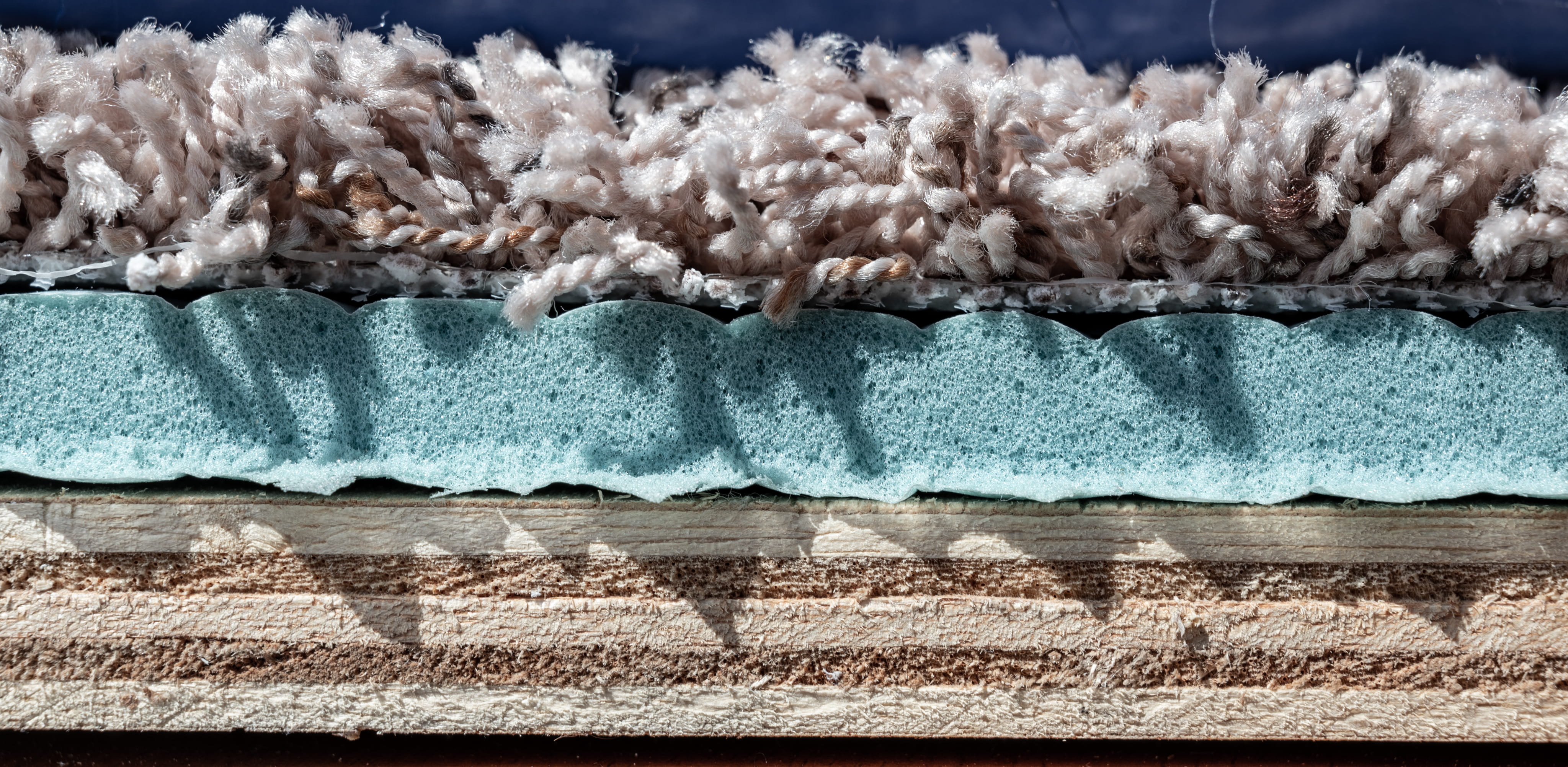
Carpet is still one of the most comfortable and affordable ways to cover a floor. It's warm, quiet, soft underfoot, and forgiving of imperfect subfloors, and it comes in a huge range of colors, textures, and prices. But shopping for carpet can be confusing. Fiber types, pile styles, density ratings, and padding all affect how a carpet looks, feels, and wears, and a poor choice can leave you with matted traffic lanes in a few years. Installation quality matters too, because a carpet that isn't stretched properly will wrinkle and wear early. Knowing the basics helps you choose carpet that fits your household and lasts.
Why Choose Carpet
Carpet insulates floors, absorbs sound, cushions steps, and reduces slipperiness. It's popular in bedrooms, family rooms, stairs, and basements. Many people love the comfort, especially in rooms where they sit or play on the floor.
Where Carpet Works Best
Bedrooms, living rooms, home offices, playrooms, and stairs are typical carpet locations. Bathrooms, kitchens, and entries are usually better served by water-resistant flooring. Choose carpet where comfort matters and moisture isn't a concern.
Nylon
Nylon is a durable, resilient fiber that resists crushing and holds up well in high-traffic areas. It takes dye well, and it's available in many colors. It's often the top choice for homes with children and pets, though it usually costs more than polyester.
Polyester
Polyester is soft, colorful, and naturally stain-resistant, and it's often more affordable than nylon. It's less resilient, and can mat down in heavy traffic. It works well in bedrooms and lower-traffic rooms. Quality varies with construction and density.
Triexta and Other Synthetic Blends
Triexta is a newer fiber known for softness and built-in stain resistance, with good durability. Other blends combine properties of different fibers. Ask for performance data and warranties.
Olefin
Olefin, also called polypropylene, resists moisture and fading, and it's often used in loop-pile carpets and basements. It's less resilient than nylon and can crush in heavy traffic. It's budget-friendly and fits some specific uses.
Wool
Wool is a natural fiber with a luxurious feel, strong resilience, and good soil resistance. It's more expensive and can need special cleaning. It's often chosen for high-end rooms. Check care instructions and warranty.
Cut Pile vs. Loop Pile
Cut pile carpets have yarn loops cut into individual tufts, giving a soft, plush feel. Loop pile carpets keep loops uncut, giving a more durable, textured look. Each has styles within it. The pile style affects appearance, feel, and how footprints and vacuum marks show.
Plush and Saxony
Plush, or velvet, carpets have a smooth, dense surface with a formal look, but they show footprints and vacuum marks. Saxony is a similar cut pile with slightly more texture. They're comfortable and elegant, best in lower-traffic rooms.
Frieze
Frieze carpet has tightly twisted yarn that curls, creating a casual, textured look that hides footprints and wear. It's durable and good for busy areas and homes with kids. It has a more relaxed style.
Berber and Level Loop
Berber carpets use looped yarn and are known for durability, but they can snag, especially with pets. Level loop carpets are even and tough. They suit playrooms and basements. Check yarn quality and loop density.
Patterned and Multi-Level Loop
Patterned loop carpets mix loop heights for visual interest. They hide traffic wear well. Choose based on the style of the room.
Density and Twist
Density describes how closely tufts are packed, and twist describes how tightly the yarn is twisted. Higher density and twist generally mean better resilience and durability. A dense carpet feels firmer and holds up better. Ask for specifications and compare.
Face Weight and Quality
Face weight, the weight of yarn per area, is often quoted, but it's only one factor. A high-quality, dense construction with lower face weight can outperform a loose construction with higher weight. Compare overall construction and warranty, not just numbers.
Stain and Soil Resistance
Many carpets include stain-resistant treatments or built-in stain resistance. No carpet is stain-proof, so quick cleanup matters. Warranties may have conditions, such as regular professional cleaning. Read the details.
Color and Pattern Choices
Medium tones hide dirt and wear better than very light or very dark shades. Patterns and flecks hide stains and footprints. Test samples in your room's lighting, since artificial and natural light change appearance.
Carpet Padding
The pad under carpet affects comfort, durability, and sound. Common types include rebonded foam, flat foam, and memory foam. Pad thickness and density matter, and too thick or too soft a pad can cause carpet to wear and stretch early. Match pad to the carpet manufacturer's recommendations.
Padding for Stairs and High-Traffic Areas
Stairs and busy areas benefit from firm, dense pad that supports the carpet. Soft pad lets the carpet flex too much, causing early wear. Ask your installer for a recommendation.
Moisture Barriers and Pad
Basements and concrete slabs may need moisture-resistant pad or a moisture barrier. Test the slab for moisture, and choose products designed for damp conditions. Mold and mildew can grow in damp carpet.
Subfloor Preparation
Carpet is forgiving, but the subfloor should still be clean, flat, dry, and free of protruding nails and debris. Squeaks and loose boards should be fixed before carpet goes down. Good prep gives a better installation.
Installation Methods
Most residential carpet is stretched over pad and anchored to tack strips along the walls. Direct glue-down installation is used in some applications. Proper stretching prevents wrinkles and rippling. Skilled installation is critical.
Seams
Seams join carpet pieces, and they should be placed away from high-traffic lines and light sources when possible. Well-made seams are nearly invisible, but poor seams show. Ask where seams will be placed.
Transitions to Other Floors
Where carpet meets hard flooring, transition strips secure the edge and create a smooth change in height. Choose strips that match your floors and suit the traffic. Careful placement prevents tripping.
Carpet on Stairs
Stair installation is demanding, with careful measuring, padding, and fastening at each step. Waterfall and cap-and-band styles each have their look. Stair carpet should be dense and durable, since stairs take heavy wear.
Pets and Carpet
Pet hair, claws, and accidents challenge carpet. Tight, dense, low-loop or cut pile with stain resistance is a good choice, while loose loops can snag. Quick cleanup of accidents prevents odors and stains. Consider pad that resists odors.
Allergies and Indoor Air Quality
Carpet traps dust and allergens, so regular vacuuming with a good filter is important. Some people with allergies prefer hard flooring. Low-emitting carpets and adhesives reduce odors. Ventilate during and after installation.
New Carpet Odor
New carpet may have a noticeable smell for a few days. Ventilate the room, and ask about low-emission products. Odors typically fade quickly, but persistent or strong smells should be discussed with the installer.
Cleaning and Maintenance
Vacuum regularly, treat spills quickly, and have carpet professionally cleaned according to the warranty. Rotate furniture occasionally to reduce wear patterns. Entry mats reduce dirt tracked in.
Warranties and Fine Print
Carpet warranties cover specific things, such as manufacturing defects, wear, and stain resistance, usually with conditions on cleaning and installation. Keep receipts and follow care instructions. Read what's excluded.
How Long Carpet Lasts
Lifespan depends on fiber, construction, traffic, and care. Many carpets last for ten years or more with good care, while heavy traffic may shorten life. Padding and installation quality affect longevity.
Replacing vs. Repairing
Small burns, stains, and damaged sections can sometimes be patched, but matching carpet can be difficult. Wrinkles can often be re-stretched. If wear is widespread, replacement is the better option.
Cost Factors
Cost depends on fiber, construction, pad, room size, stairs, furniture moving, removal of old carpet, and subfloor repairs. Quotes should be itemized so you can compare apples to apples.
Choosing an Installer
Ask about experience, power stretching tools, seam methods, and warranty. Look at references and examples of installed work. A skilled installer makes even moderate carpet look and perform better.
Carpet Tiles and Modular Options
Carpet tiles are squares that install individually, which makes it easy to replace damaged sections and fit awkward spaces. They suit basements, offices, and playrooms. Look for products with good backing and a style that suits your home.
Carpet and Radiant Heat
Carpet and pad add insulation that can reduce the efficiency of radiant floor heating. If you have heated floors, ask about low-resistance carpet and pad combinations. Follow the heating system's guidelines before installing.
Fading and Sunlight
Direct sun can fade carpet, particularly near large windows. Window treatments or UV-blocking film reduce damage. Choose fade-resistant colors for sunny rooms, and rearrange rugs and furniture occasionally.
Furniture Moving and Room Preparation
Plan to clear rooms before installation, or ask your installer to move furniture and charge accordingly. Remove baseboard trim if needed. Good preparation makes the installation faster and cleaner.
Disposal of Old Carpet and Pad
Old carpet and pad need disposal, and some areas offer recycling. Ask installers whether removal and haul-away are included. Check older flooring underneath for hazardous materials, such as adhesives that may contain asbestos in older homes, before disturbing them.

Ready for new carpet that fits your home and lasts? We help you compare fibers, pile styles, and padding, check and prep your subfloor, and install with power stretching and clean seams, so your carpet lies flat and wears well. You'll get an itemized quote. Request your free flooring estimate today.

Karter & Co


