

Cabinet Refinishing vs. Full Replacement: What to Know
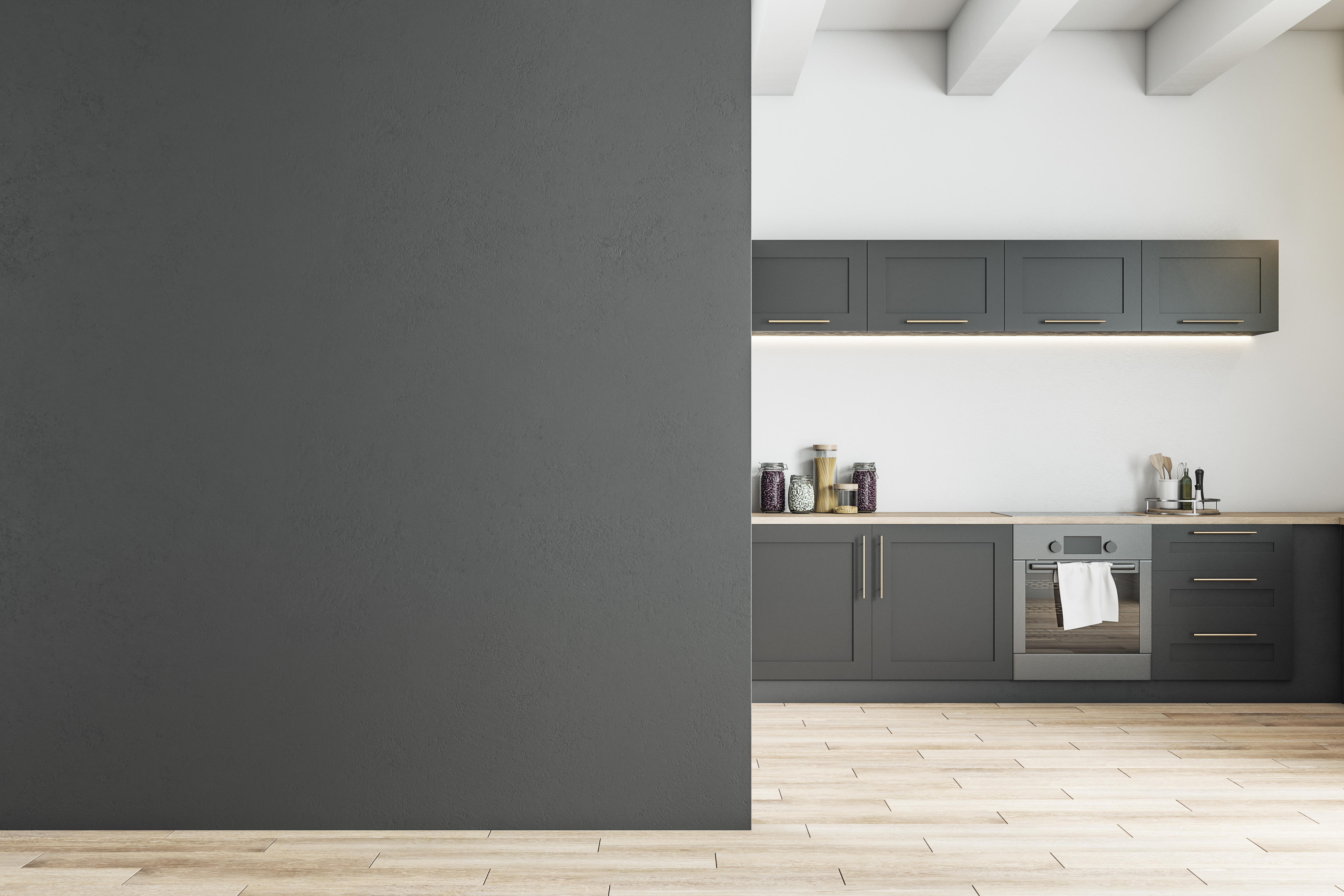
Every kitchen or bathroom renovation eventually runs into the same fork in the road: replace the cabinets entirely or refinish what's already there. The right answer depends less on personal taste and more on the actual condition of your existing cabinet boxes.
When Refinishing Is the Right Call
If your cabinet boxes are structurally sound—no water damage, no warping, drawers and doors that still operate smoothly—refinishing is almost always the smarter choice. The boxes themselves, the part that's actually expensive to manufacture and install, are already in place and functional. What's outdated is usually just the surface: a dated wood tone, a yellowing white, or a finish that's chipped and worn from years of daily use.
When Full Replacement Makes More Sense
Replacement becomes the better option when cabinet boxes themselves are compromised—water damage from a sink or dishwasher leak, warped particleboard, doors that no longer close flush, or a layout that genuinely doesn't work for how you use the space. No amount of paint fixes structural problems.
Comparing Cost
Full cabinet replacement involves demolition, disposal, new cabinet boxes, installation labor, and often related work like countertop removal and reinstallation. Cabinet refinishing skips nearly all of that—no demolition, no new boxes, no disruption to countertops—which is why the cost difference between the two options is so significant. Most homeowners find refinishing costs a fraction of full replacement while delivering a comparably fresh, updated look.
Comparing Timeline
Full replacement typically takes several weeks once you factor in design, ordering, demolition, and installation. Cabinet refinishing, by contrast, is usually a matter of days from start to finish—a meaningful difference if you're trying to avoid living without a functional kitchen for an extended stretch.
Comparing Disruption
Replacement means your kitchen or bathroom is largely unusable during demolition and installation—no easy access to storage, potential dust throughout adjacent rooms, and often contractors in and out for multiple weeks. Refinishing is far less invasive; doors and drawer fronts get removed to a work area, but the room itself stays mostly intact and usable throughout most of the project.
What You Can't Change With Refinishing
It's worth being clear-eyed: refinishing changes color and finish, not layout or cabinet style. If you're unhappy with the actual configuration of your kitchen—not enough storage, awkward flow, dated cabinet door styles you simply don't like regardless of color—refinishing won't solve that. It's a finish-level transformation, not a redesign.
Making the Right Call for Your Kitchen
The clearest way to decide is an honest assessment of your cabinet boxes' condition. If they're solid and the issue is purely cosmetic, refinishing delivers dramatic visual impact for a fraction of replacement cost and disruption. If there's real structural damage or you want a fundamentally different layout, replacement is the appropriate, if pricier, path.
How to Get an Honest Assessment
A contractor experienced in both refinishing and replacement can give you an unbiased read on which category your cabinets fall into, rather than defaulting to whichever service they happen to specialize in — worth asking directly which option they'd genuinely recommend and why.
What Homeowners Often Regret Choosing
Occasionally, homeowners choose full replacement when refinishing would have solved their actual concern, ending up spending significantly more than necessary. Getting a second opinion before committing to the larger investment is a reasonable step when the decision isn't obvious.
Combining Refinishing With Minor Upgrades
Some homeowners refinish cabinet boxes while also updating hardware, adding soft-close hinges, or reconfiguring a few interior shelves—smaller upgrades that meaningfully improve function without the cost of full replacement.
How to Evaluate Cabinet Box Condition Yourself
Opening and closing every door and drawer, checking corners for water staining or swelling, and pressing gently on the bottom panels of base cabinets near the sink can reveal early signs of moisture damage before it becomes obvious — a useful first check before calling a contractor.
Why Some Homeowners Choose a Hybrid Approach
Occasionally, only certain cabinets—often those under a sink or near a dishwasher—show genuine damage while the rest of the kitchen is structurally sound. In these cases, replacing just the damaged sections while refinishing the rest can be a smart middle ground.
What Happens to Cabinet Interiors During Refinishing
Refinishing typically focuses on the visible exterior surfaces—doors, drawer fronts, and face frames—while cabinet interiors usually stay as they are, unless specifically requested otherwise. This is part of why refinishing costs so much less than replacement.
Considering Resale Value in the Decision
For homeowners planning to sell within the next few years, refinishing often delivers a stronger return relative to cost than full replacement, since buyers generally respond to a clean, updated look rather than needing brand-new cabinet boxes specifically.

Not sure which path is right for your kitchen? Let's take a look together. Our team will assess your cabinet boxes honestly and recommend refinishing or replacement based on actual condition, not upselling. Get your free cabinet painting and refinishing estimate and find out.

Karter & Co


