

10 Small Home Repairs You Shouldn't Put Off
Most homeowners are good at spotting big problems and bad at noticing small ones. A cracked tile or a dripping faucet doesn't demand attention, so it quietly waits. The trouble is that a handful of small defects are not really small at all. They are early warning signs, or they are the entry point for water, pests, or wear that quietly multiplies in cost. Knowing which repairs are worth doing now, rather than someday, is one of the best ways to protect a home without spending much.
1. Cracked or Failing Caulk
Caulk around tubs, showers, sinks, windows, and exterior trim keeps water out of places it should never be. Once caulk cracks, shrinks, or peels, moisture slips behind tile, into wall cavities, and under trim. Over time that leads to mold, soft wood, loose tile, and rot. Re-caulking is inexpensive and fast, and it is one of the highest-value maintenance tasks a home has. Check these seams at least once a year.
2. Dripping Faucets and Running Toilets
A slow drip or a toilet that runs intermittently wastes water and money every day. It can also hide a worn part that is gradually failing and may eventually leak under the sink or around the base. Replacing a washer, cartridge, flapper, or fill valve is usually a small job. The longer it waits, the more water you pay for and the more chance of corrosion or staining.
3. Loose Handrails and Railings
A wobbly railing is a safety hazard, not a cosmetic issue. Railings are there to catch someone who is falling, and a loose one can fail exactly when it's needed. Tightening or re-anchoring a railing into framing is straightforward when done early. Left alone, repeated loading widens the loose fasteners and can damage the surrounding wood, making the repair larger.
4. Gutters That Are Clogged or Pulling Away
Gutters carry water away from the roof edge, fascia, siding, and foundation. When they clog or sag, water spills where it shouldn't, soaking fascia boards, staining siding, eroding soil, and pooling near the foundation. Cleaning and re-securing gutters is a small job compared with replacing rotted fascia or repairing water intrusion at the base of a wall.
5. Small Roof or Flashing Issues
A missing shingle or a lifted piece of flashing may not leak today, but wind and rain will keep working at it. A small gap can let water into the roof deck or attic over time. Roof work should be handled by roofing professionals, but noticing and reporting small issues early keeps them from becoming ceiling stains and insulation damage.
6. Gaps Around Doors and Windows
Worn weatherstripping and door sweeps let in drafts, moisture, insects, and noise, and they make heating and cooling less efficient. Replacing them is cheap and quick. If you can see daylight around a closed exterior door or feel air near a window, it's time. The comfort and energy savings often justify the repair on their own.
7. Water Stains on Ceilings and Walls
A stain is a message. It means water got somewhere it shouldn't, and it may still be getting there. Painting over it hides the evidence but not the cause. Find the source first, whether that's plumbing, roofing, or condensation, then repair the damage. Waiting allows mold, rot, and larger drywall damage.
8. Sticking or Misaligned Doors
Doors that rub or won't latch are often caused by loose hinges, shifting framing, or humidity changes. Ignoring them leads to worn finishes, damaged jambs, and sometimes security issues if a door no longer locks properly. Adjusting hinges, planing a door edge, or adjusting a strike plate is usually quick.
9. Failing Smoke and Carbon Monoxide Detectors
Detectors save lives, but only if they work. Batteries wear out, and the devices themselves have limited lifespans. Test them regularly, replace batteries as needed, and replace units that have reached their age limit. This is a small task with enormous importance, and it belongs at the top of any list.
10. Cracks in Exterior Paint and Trim
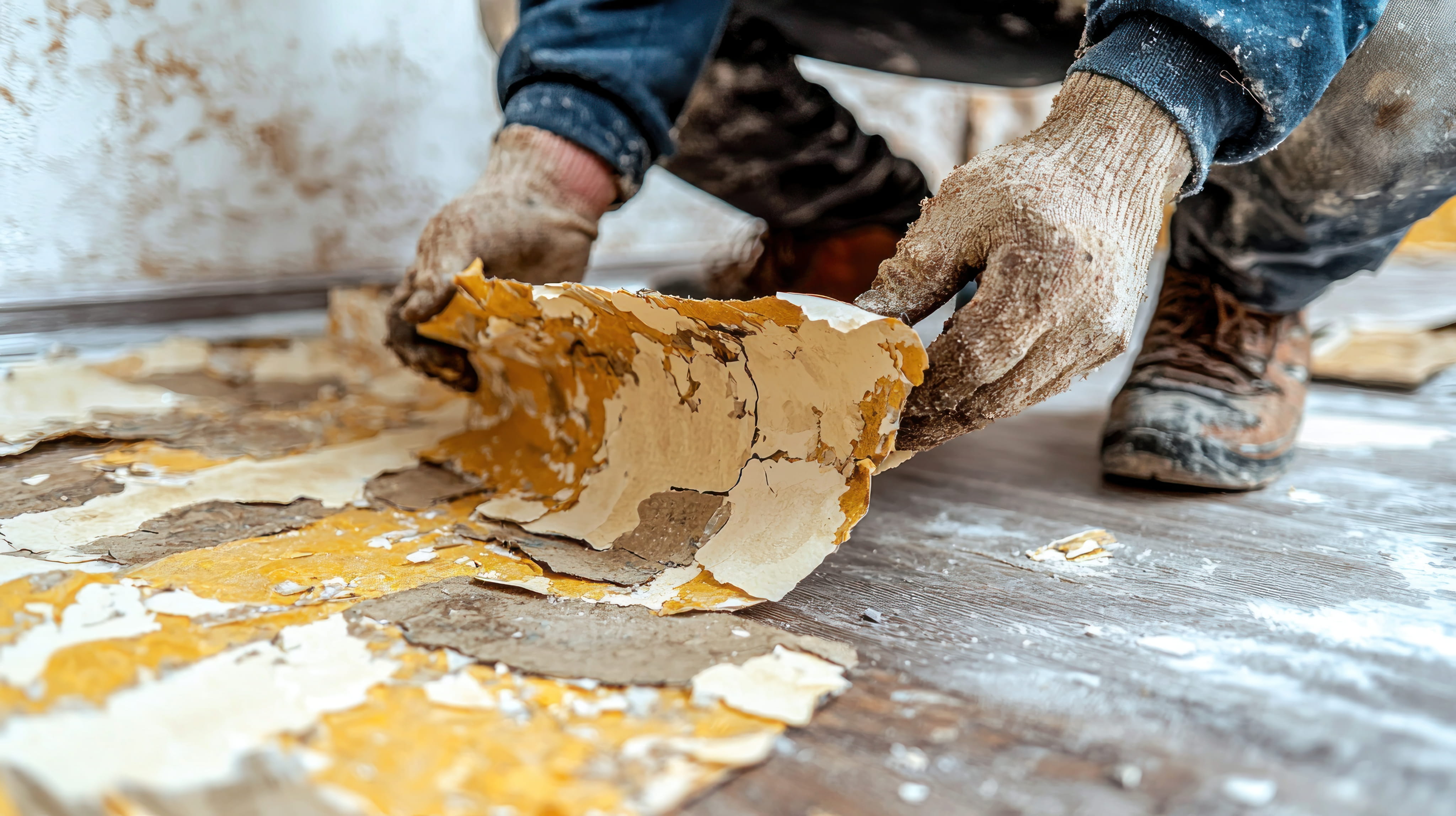
Peeling paint and cracked trim expose wood to moisture, which leads to rot. A small area of peeling paint can be scraped, primed, and repainted easily. A neglected section can turn into soft, rotted wood that must be replaced. Keeping exterior surfaces sealed protects the structure.
Why Small Repairs Cost Less Early
Most home damage follows the same pattern. A small leak, gap, or crack lets moisture, pests, or wear get started. Because the damage spreads quietly, the cost of repair rises as time passes. A simple fix today avoids drywall replacement, mold treatment, rotted framing, or flooring replacement tomorrow.
Moisture Is the Common Thread
Many of these repairs are really about keeping water out. Caulk, flashing, gutters, weatherstripping, and paint all serve as barriers. When they fail, water finds its way in. Paying attention to these barriers is one of the best forms of preventive maintenance.
How to Spot Problems Early
A quick walk around your home every few months can reveal issues before they escalate. Look for cracks, stains, peeling paint, soft spots, gaps, and anything loose. Inside, check under sinks, around tubs, and in corners of ceilings. Notice odors, which can indicate hidden moisture.
Bundle Repairs for Value
Because many of these tasks are small, they are ideal for a single handyman visit. A professional can re-caulk, adjust doors, replace weatherstripping, tighten railings, and patch minor damage in one trip. Combining tasks reduces the cost per repair and gets them done together.
Know When to Call a Specialist
Some of these issues, such as roof problems or persistent leaks, may need a licensed professional. A handyman can often identify the problem and recommend the right specialist. Early diagnosis is valuable even when the repair itself belongs to someone else.
Safety Items Come First
If you have limited time or budget, address safety items before cosmetic ones. Railings, detectors, tripping hazards, loose stair treads, and electrical concerns come first. Everything else can be scheduled after.
Use Photos to Track Changes
Take photos of suspicious areas, such as stains or cracks, and check them periodically. If a stain grows or a crack widens, you'll see it clearly. Photos also help a professional understand how a problem is progressing.
Think Like a Home Owner, Not a Home Visitor
Because we live with our homes, we stop noticing small flaws. Walking through as a visitor, or asking a handyman to look with fresh eyes, helps. A professional often notices problems you've learned to ignore.
Set a Routine
Choose two or three times a year to walk through the house and address small issues. Tie it to seasons or to something you already do, like changing clocks. Routine inspection and repair keep small things small.
Keep Records
Note when you made each repair and what was done. Records help you understand which areas need attention, and they provide documentation if you sell the home or file an insurance claim.
Don't Let Cosmetic Fixes Hide Problems
Painting over a stain, caulking over mold, or covering a crack with a patch can make something look fine while it continues to deteriorate. Always understand the cause before choosing the fix. Cosmetic repairs are valuable only when the underlying issue has been addressed.
Prioritize by Consequence
When deciding what to fix first, ask what happens if it is ignored. If the answer is injury, water damage, or structural harm, move it to the top. If the answer is mild annoyance, it can wait. Thinking in terms of consequence gives you a rational order.
Pest Entry Points Around the Home
Small gaps around pipes, vents, doors, and foundation trim can invite insects and rodents. Sealing these openings with caulk, foam, or screens is a simple repair that avoids much costlier pest problems. Check where utilities enter the house and where siding meets the foundation.
Cracked or Loose Tiles
A loose tile signals that the bond has failed, often because of movement or moisture. Water can then seep under the tile and damage the subfloor or wall behind it. Replacing a tile or re-securing it early keeps a small repair from becoming a section replacement.
Window Hardware and Screens
Broken locks, stuck sashes, and torn screens are inconvenient, and they affect security and ventilation. Replacing hardware and re-screening are quick fixes that improve safety and comfort. Make sure every bedroom window opens fully, since it may be needed as an emergency exit.
Garage Door and Opener Problems
Garage doors are heavy, and worn rollers, frayed cables, or malfunctioning sensors create safety risks. Simple adjustments and lubrication help, but spring and cable work should be left to specialists. Test the auto-reverse feature periodically so the door stops if something is in its path.
Set Up a Simple Reminder System
Pick a few dates each year, such as the start of each season, to check caulk, gutters, detectors, and weatherstripping. A recurring calendar reminder is enough. Small repairs are easiest to keep up with when they're part of a routine rather than something you have to remember on your own.

Don't wait for a small repair to become a big bill. Our team can walk your home, spot the problems that matter most, and fix caulk, doors, railings, fixtures, trim, and more in a single visit. We'll tell you what's urgent and what can wait. Request your free handyman estimate today.

Karter & Co


